The Viking sword stands as an enduring symbol of power, craftsmanship, and rich history. From its origins in medieval Scandinavia to its modern-day allure, the process of crafting a Viking sword is a fascinating blend of art and science. This post delves into traditional sword-making techniques and compares them with modern technological advancements in crafting these iconic weapons.
Traditional Techniques in Viking Sword Crafting
Traditional Viking sword crafting involved a labor-intensive process rooted in precision and skill passed down through generations. Here’s a glimpse into how the artisans of the Viking Age forged their legendary weapons:
- Material Selection
Viking blacksmiths used iron and steel, often layering the materials to create a strong yet flexible blade. This pattern-welding technique gave the sword its signature wavy designs. - Heating and Forging
Using a forge powered by charcoal, the iron was heated to high temperatures and hammered into shape. This process required meticulous control to achieve the right blade thickness and edge sharpness. - Quenching and Tempering
The blade was rapidly cooled in water or oil to harden it, followed by tempering to reduce brittleness. - Hilt Construction
The sword’s hilt, often adorned with intricate designs, was crafted separately and attached to the blade with great care.
Each sword was unique, bearing the marks of its creator and designed to suit the warrior’s specific needs.
Modern Technology in Viking Sword Crafting
Today, modern technology has revolutionized the way Viking swords are crafted. While traditional techniques emphasized manual labor and artistry, modern methods focus on precision and efficiency.
- Advanced Materials
Modern Viking swords often use stainless steel and other advanced alloys for improved durability and corrosion resistance. - CNC Machining
Computer-controlled machining ensures exact dimensions and intricate detailing with minimal errors, replicating historical designs with modern precision. - Laser Cutting and Engraving
Techniques like laser cutting allow for intricate designs on the blade and hilt, while laser engraving adds personalized touches. - Heat Treatment
Modern heat treatment processes, such as cryogenic tempering, enhance blade strength and flexibility beyond what was possible in the Viking era.
Balancing Tradition and Innovation
The allure of a Viking sword lies in its history, and many modern swordsmiths strive to preserve traditional elements while incorporating modern technology. This balance ensures that the spirit of Viking craftsmanship is not lost while meeting contemporary quality standards.
If you’re fascinated by historical weaponry, explore authentic Viking Swords and other handcrafted blades.
Gurkha Knife: A Testament to Traditional Craftsmanship
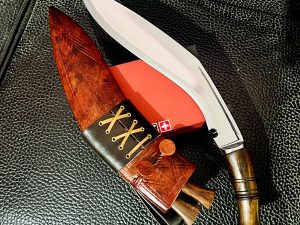
Similar to the Viking sword, the Gurkha Knife (commonly known as the kukri) is another iconic blade that embodies tradition and functionality. Hand-forged by skilled artisans in Nepal, it has been a trusted companion for centuries, from battlefields to households.
Buy genuine Gurkha Kukri Knife online from Kukri House, the authorized Khukuri manufacturer and distributor in Nepal. Every kukri is meticulously crafted by skilled Bishwokarmas, preserving the legacy of Nepal’s rich blade-making heritage.
Conclusion
Crafting a Viking sword is a journey through time, blending traditional craftsmanship with modern innovation. Whether you’re a history enthusiast or a collector, owning a Viking sword or a Gurkha knife is a way to connect with the rich legacies of the past.
Visit Kukri House to explore authentic Viking swords, Gurkha knives, and other handcrafted blades that celebrate history and tradition.
Recommended Read: Viking Swords: All You Need to Know