Technical projects aren’t always defined by a single requirement. In many industries, manufacturers need to address multiple considerations simultaneously, from limited installation space and demanding operating conditions to compatibility between different materials. As products become more sophisticated, identifying an appropriate approach often requires careful evaluation and a thorough understanding of the application’s needs.
Material selection plays an important role in this process. Engineering teams may explore topics such as what is Thinsulate made of, what materials are good for electrical insulation, and so on. These assessments help ensure that final choices align with both the functional expectations of the application and the environment in which the solution will operate.
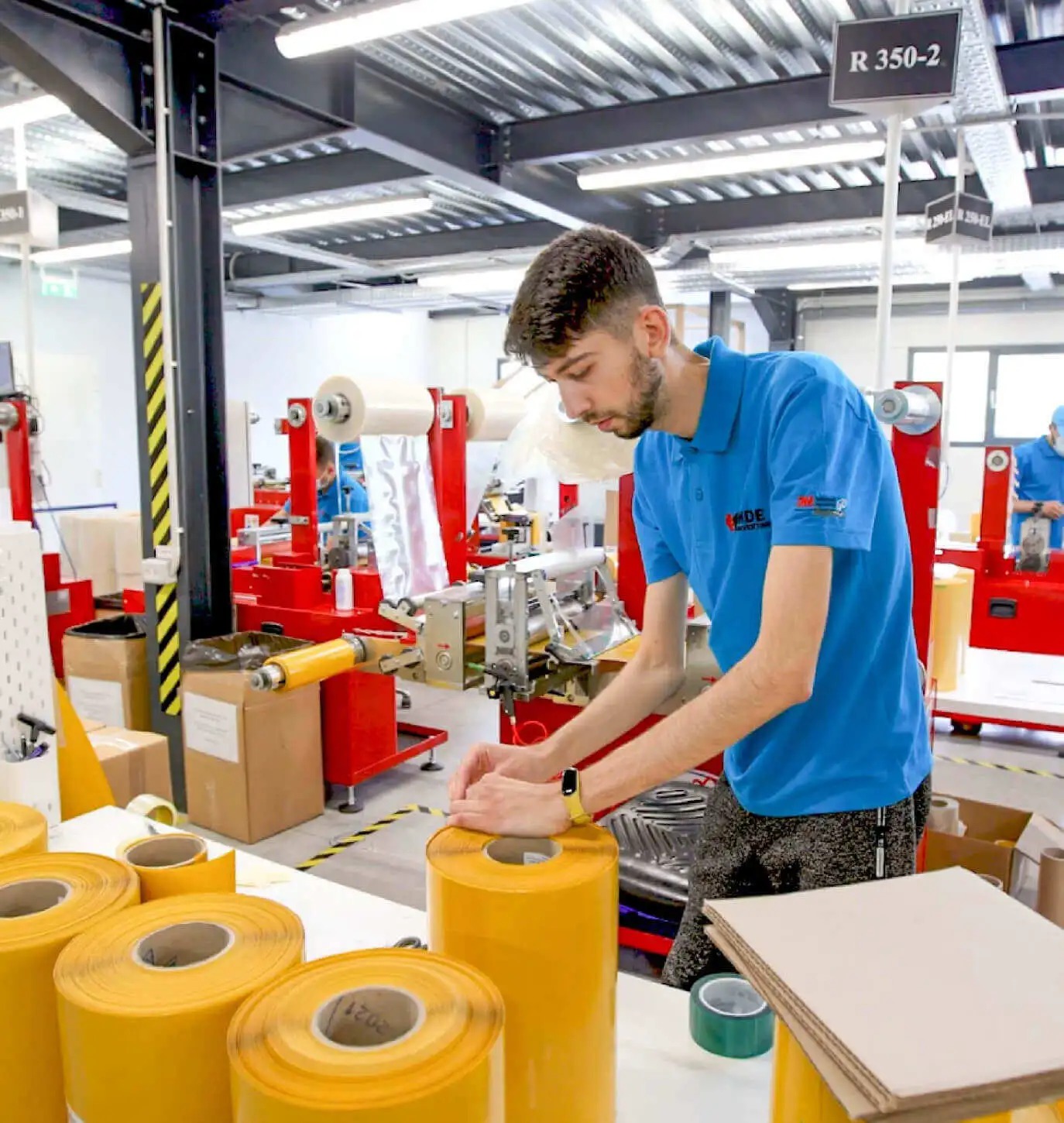
Within the adhesive material conversion industry, professional converters support companies by transforming raw materials into components adapted to specific requirements. Their contribution extends beyond material processing. It includes helping partners evaluate available options, understand technical considerations, and get solutions suited to the realities of each project.
Some projects require more than standard formats
Demanding projects are often shaped by the combination of constraints they involve. An automotive application incorporating a fascia car component, for example, may require adhesive elements capable of fitting within compact assemblies. These elements may also support accurate positioning and compatibility with established production methods. In such situations, evaluating the broader context of the application becomes just as important as selecting the material itself.
Projects of this nature may involve considerations such as:
- Limited installation space
- Strict dimensional specifications
- The use of multiple substrate types
- Exposure to difficult operating conditions
- Compatibility with automated production environments
Similar challenges can be found across industries such as electronics, home appliance manufacturing, and industrial equipment. Although these projects differ significantly, they frequently involve balancing several requirements at the same time.
Manufacturers reviewing a 3M Preferred Converter list often assess more than multiple company names. They may also evaluate whether a converting specialist has the experience, technical understanding, and capabilities needed to support demanding projects from the early stages through implementation.
Understanding the application before selecting the approach
Developing an adhesive component for a complex project begins with understanding how it’s expected to function within the final application. The objective is not simply to modify dimensions or choose a material, but to identify an approach that aligns with the technical and operational requirements.
Professional converters help manufacturers evaluate the factors that may influence performance throughout the component’s intended use. Operating conditions, assembly constraints, substrate compatibility, and functional expectations are considered collectively because decisions made in one area may affect outcomes in another.
Here’s why this evaluation is very important:
- Compatibility influences how materials interact with one another
- Assembly methods affect the way components are integrated into existing processes
- Functional requirements help determine which characteristics the component should provide
- Performance expectations guide decisions regarding the solution’s intended use
Early evaluation supports informed decisions
Projects involving multiple technical requirements often benefit from assessment activities before serial production begins. Sample preparation, prototype development, and validation exercises provide opportunities to determine whether a component aligns with the intended application. They also help identify areas that may require additional refinement.
At this stage, the role of specialized converters extends beyond processing materials. Their experience with manufacturing environments and converted components can help manufacturers evaluate practical considerations related to implementation. They also help them understand how specific choices may influence later stages of production.
Here is what each activity represents in practice:
| Activity | What it represents in practice |
| Preparing prototypes or samples | Allows teams to evaluate the proposed component before serial production and gather early feedback regarding its suitability for the application |
| Assessing component fit and functionality | Helps determine whether the component integrates as intended within the assembly and supports the required function |
| Validating the proposed approach before implementation | Provides an opportunity to confirm that the selected materials and configuration align with the application’s requirements |
| Identifying potential refinements | Supports adjustments before large-scale production, when modifications are generally easier to implement |
| Supporting preparation for serial production | Helps manufacturers anticipate practical considerations related to implementation and production planning |
Technical expertise that supports complex projects
Special technical projects rarely involve straightforward decisions. More often, they require balancing material characteristics, functional expectations, manufacturing constraints, and operating conditions at the same time. Here, the value of an experienced converter extends beyond transforming raw materials into finished components.
By combining material knowledge, converting expertise, and an understanding of production realities, converters can help companies evaluate available options and access components aligned with the specific demands of each project. In demanding industrial environments, this practical expertise can become an important contributor to bringing complex projects successfully into production.