The manufacturing universe is expansive, with innovations continually reshaping production landscapes. Within this dynamic environment, die cutting emerges as a pivotal player, especially when it involves integrating diverse materials like conductive foam, EMI shielding foam, and acrylic foam tape into seamless end-products. This method not only accelerates production but also maximizes efficiency and enhances the quality of final outputs.
Die cutting is a sophisticated fabrication process used widely across various industries. It involves cutting, forming, and shearing materials into specific shapes using specialized tools and machinery. The technology excels in handling a versatile range of materials including Thermal Conductive Silicone, Mylar sheets and Thermal Gap Pads. This versatility is crucial for modern manufacturing where tailored solutions are the norm.
The Positive Edge of Die Cutting
At its core, die cutting offers impeccability and swiftness, allowing for high-volume production without sacrificing precision. This is essential in fields like electronics, where components like EMI Gaskets, anti-static conductive foam, conductive black foam, and ESD conductive foam must meet stringent specifications to ensure functionality and safety.
Die cutting facilitates the integration of advanced materials. For instance, in the production of electronic devices, ensuring effective thermal management and electromagnetic interference (EMI) protection is paramount. Using die cutting, manufacturers can accurately integrate Thermal Gap Pads and EMI Shielding Foam into device designs. These materials help in dissipating heat and protecting sensitive components from electrical noise, respectively.
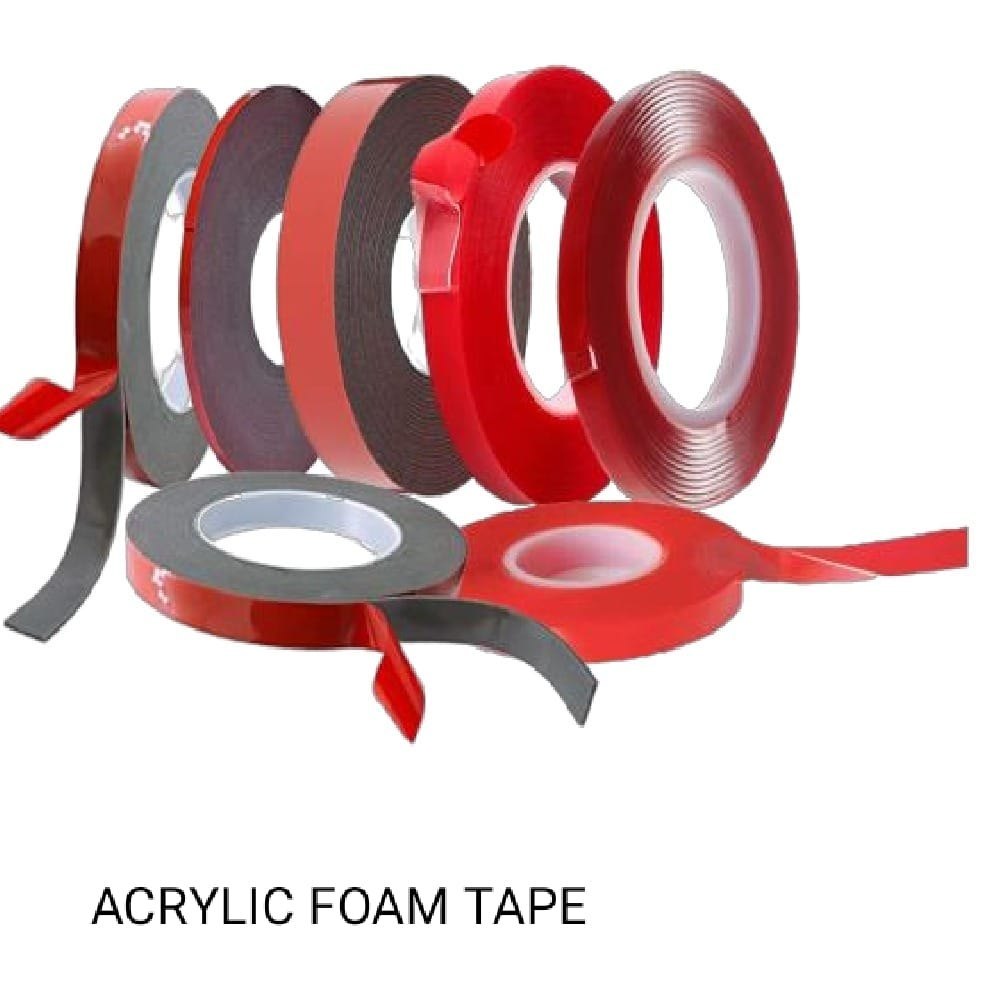
Moreover, the adaptation of materials such as acrylic foam tape in the automotive or construction industries highlights die cutting’s role in evolving traditional bonding and sealing solutions. The precision cuts ensure that acrylic foam tapes are applied uniformly, providing robust, durable bonds essential for structural integrity and performance.
Enhanced with Sophistication and Sustainability
One of the underestimated aspects of die cutting is its contribution to sustainability. The precision associated with die cutting reduces material waste significantly. Plus, the ability to process eco-friendly materials like conductive foam adds an eco-conscious edge to modern manufacturing strategies.
Die cutting is not just about cutting shapes; it’s a gateway to innovative manufacturing solutions. This method integrates perfectly with other technological advancements such as automation and robotics. In the realm of disposable food packaging, for instance, providers offering services like custom 3M VHB Tapes, Protective Films, and silicone Die-Cutting cater to bespoke requirements while ensuring that products are delivered with consistent quality and sustainable practices.
Continuous Exploration and Development
The continuous exploration of materials like Mylar sheets in various applications is a testament to the adaptability and expansive reach of die cutting technology. Industries are not only looking to cut parts but are also enhancing functionalities like transparency, flexibility, and durability of their products.
The die cutting process keeps evolving, incorporating more intricate and precise cutting techniques. These enhancements streamline production processes, elevate product quality, and shrink turnaround times, bolstering industries in maintaining competitiveness in fast-paced markets.
For those interested to dive deeper into one of the commonly used materials in die cutting, more information on polyurethane foam’s properties, applications, and environmental impact can be found on Wikipedia through this link: https://en.wikipedia.org/wiki/Polyurethane_foam.
Seamless, Efficient, and Indispensable
Die cutting’s role in manufacturing transcends mere shape-cutting; it’s about embracing precision, efficiency, and innovation. As industries continue to evolve, the integration of different materials through specialized cutting techniques like die cutting will remain crucial in shaping the future of production. This process not only supports the high-speed demands of modern manufacturing but also plays a critical role in driving product innovation, ensuring that every cut, notch, and crease contributes to the overarching goal of seamless and efficient production. Through the meticulous and strategic integration of various materials, die cutting unequivocally shapes production efficiency, making it an indispensable tool in the manufacturing landscape.