

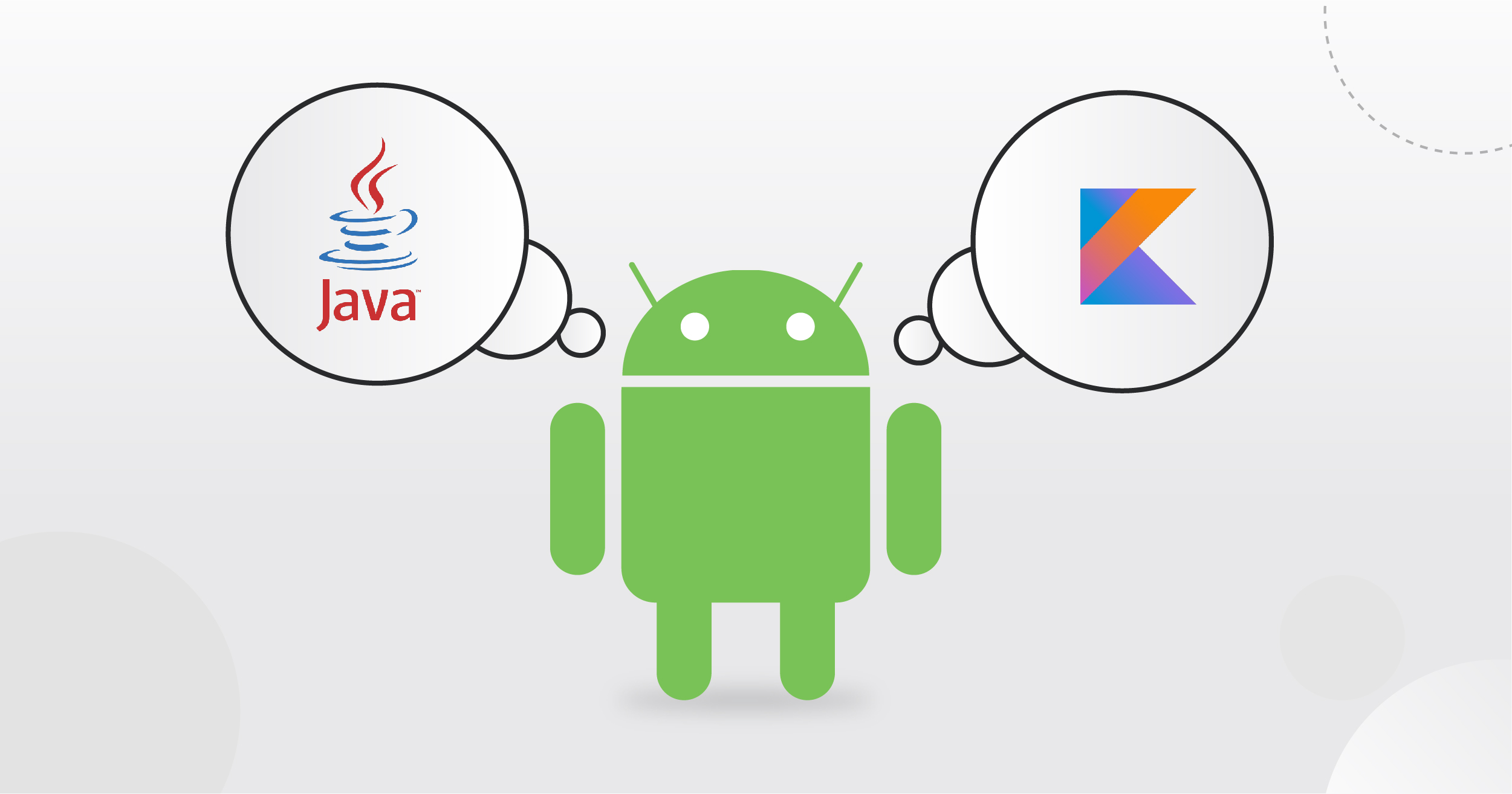
Android app Development Company these words have become synonymous with innovation, versatility, and functionality in the world of mobile applications. Over the years, the evolution of Android app development has been nothing short of remarkable, and at the heart of this transformation is the shift from Java to Kotlin. In this article, we will delve into this fascinating journey, exploring how Kotlin has become the go-to language for Android app development, and the impact it has had on the industry.
The Java Era
Not so long ago, Java was the undisputed king of Android app development. Its robustness, platform independence, and extensive libraries made it the preferred choice for developers and Android app development companies. Java had served its purpose well, but it was time for a change.
Enter Kotlin
In 2011, JetBrains, a software development company, introduced Kotlin, a statically typed programming language for the Java Virtual Machine (JVM). Kotlin was designed to be fully interoperable with Java, making it easy for developers to transition. However, what set Kotlin apart were its concise syntax, enhanced null safety, and improved code readability. These features addressed some of the long-standing issues with Java, paving the way for a more efficient and enjoyable development experience.
The Transition Period
As with any major shift in technology, the transition from Java to Kotlin was gradual. Initially, Android app development companies were hesitant to adopt Kotlin, fearing compatibility issues and a steep learning curve. However, Kotlin’s advantages quickly became evident, and it wasn’t long before it started gaining traction.
One of the key factors that accelerated Kotlin’s adoption was Google’s official endorsement in 2017. At Google I/O, it was announced that Kotlin would be fully supported for Android app development. This endorsement gave developers and Android app development companies the confidence to make the switch.
Benefits of Kotlin for Android App Development
- Concise Code: Kotlin’s concise syntax allows developers to write cleaner and more readable code. This means fewer lines of code, reduced chances of bugs, and faster development cycles.
- Null Safety: Kotlin’s null safety features help eliminate null pointer exceptions, a common source of crashes in Android apps. This leads to more stable and reliable applications.
- Interoperability: Kotlin is fully interoperable with Java, allowing developers to use both languages in the same project. This makes it easy to transition from Java to Kotlin gradually.
- Modern Features: Kotlin offers modern language features like lambdas, extension functions, and data classes, which enhance productivity and code maintainability.
- Official Support: With Google’s official support, Kotlin has become an integral part of the Android ecosystem. This means regular updates, improved tooling, and a bright future for Kotlin in Android development.
Why do you need a Android app Development company
The adoption of Kotlin has had a profound impact on Android app development companies. Here are some ways in which it has reshaped the industry:
Increased Efficiency
Kotlin’s concise syntax and modern features have made development faster and more efficient. Android app development companies can now deliver applications in shorter timeframes, reducing development costs and increasing profitability.
Enhanced Quality
The improved null safety in Kotlin has led to more stable and reliable apps. This means fewer crashes and a better user experience, which is crucial for the success of Android app development companies.
Developer Satisfaction
Developers enjoy working with Kotlin because of its readability and expressive syntax. This has resulted in higher job satisfaction and lower turnover rates for Android app development companies.
Competitive Advantage
Android app development companies that adopted Kotlin early gained a competitive advantage. They were able to offer better, more reliable apps, attracting more clients and projects.
Easier Maintenance
Kotlin’s modern features, such as data classes and extension functions, make code easier to maintain. This reduces long-term costs for Android app development companies.
The Future of Android App Development
As we look to the future, Kotlin’s role in Android app development seems secure. Its continued support by Google, the thriving Kotlin community, and the ever-expanding ecosystem of libraries and tools all point towards a bright future for this programming language.
EndNote
In conclusion, the evolution of Android app development from Java to Kotlin has been a transformative journey. Kotlin’s concise syntax, null safety, and modern features have made it the language of choice for Android app development companies. Its impact on efficiency, quality, and developer satisfaction cannot be overstated. As we move forward, Kotlin will undoubtedly play a pivotal role in shaping the future of Android app development. So, if you’re an Android app development company looking to stay ahead in this dynamic industry, embracing Kotlin is not just a choice; it’s a necessity.


