Introduction
The debate between wearing a bee suit and everyday clothing in beekeeping has been a topic of discussion among beekeepers. Some argue that wearing everyday clothing is sufficient, while others emphasize the importance of bee suits in providing protection. The motivation to go without a bee suit is often about chasing an ideal, as a beekeeper in everyday clothes may look romantically close to nature. However, the decision to wear a bee suit is a personal choice, and it is not about judging those who prefer not to wear one. It is essential to debunk the myths and realities surrounding the use of bee suits and everyday clothing in beekeeping to make an informed decision.
Level of Protection
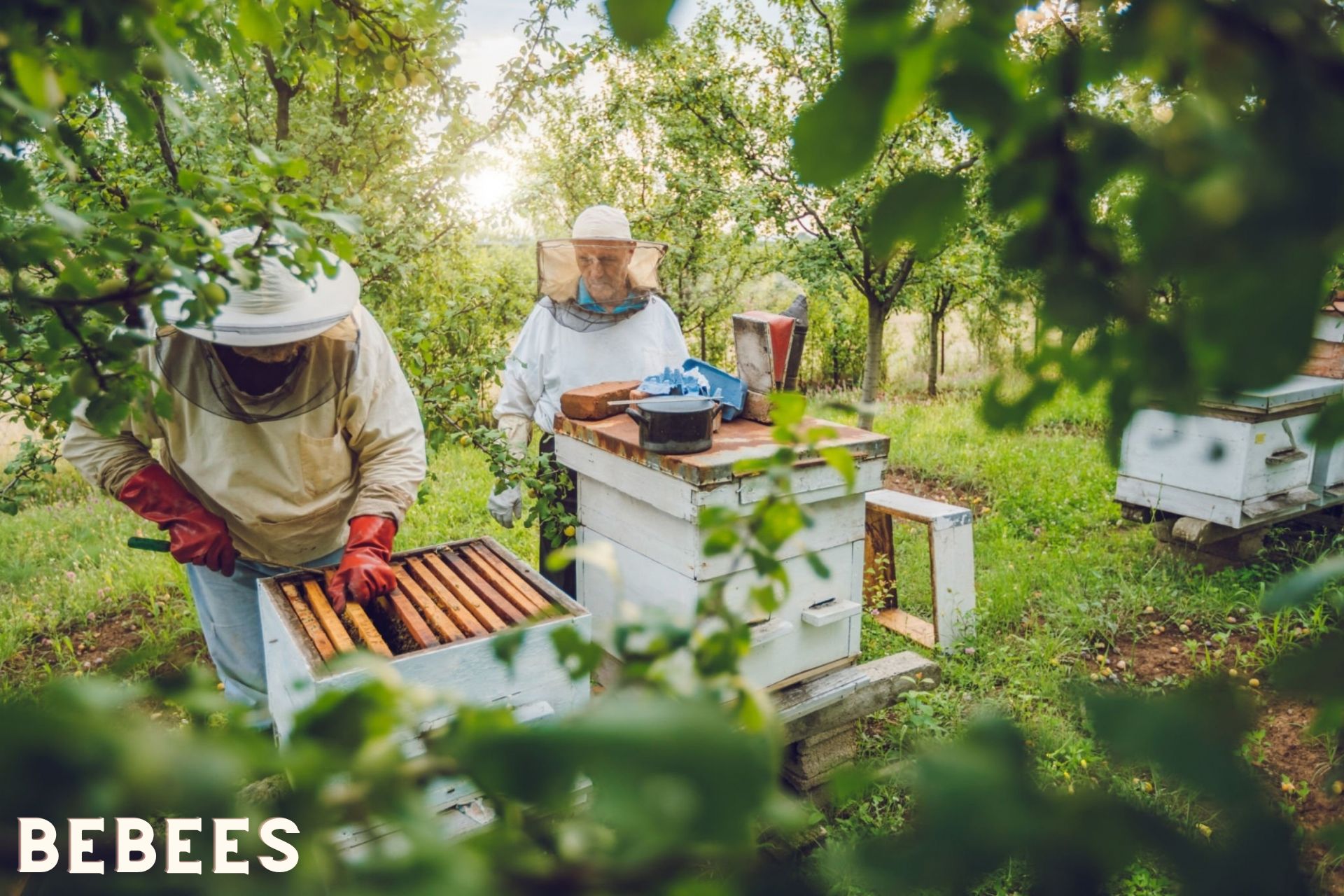
One of the primary concerns related to wearing everyday clothing instead of a bee suit is the level of protection it offers. Bee suits, consisting of a veil, gloves, and jacket, are specifically designed to provide full-body protection from bee stings. The veil, made from lightweight and breathable materials like mesh and nylon, allows for better visibility and comfort, while the jacket is designed to be lightweight, breathable, and water-resistant, enabling beekeepers to work comfortably in various conditions.
Everyday Clothing Limitations
On the other hand, everyday clothing may not offer the same level of protection against bee stings. While some beekeepers may opt for thick, long-sleeved clothing and a hat to protect themselves, these may not provide adequate defense against bee stings. Bees can easily become trapped in loose clothing or find their way through thin fabric, increasing the risk of stings. Therefore, the choice between a bee suit and everyday clothing should consider the level of protection needed during beekeeping activities.
Comfort and Convenience
Another aspect to consider is the comfort and convenience provided by bee suits compared to everyday clothing. Bee suits are designed to be comfortable, breathable, and provide ease of movement for beekeepers during hive inspections and other beekeeping tasks. The use of specialized materials and features, such as built-in ventilation systems and adjustable closures, contributes to the overall comfort and functionality of bee suits. In contrast, everyday clothing may not offer the same level of comfort and mobility required for prolonged beekeeping activities.
Psychological Impact
Furthermore, the psychological aspect of wearing a bee suit versus everyday clothing should be taken into account. Bee suits can instill a sense of confidence and security in beekeepers, allowing them to focus on their tasks without the fear of bee stings. In contrast, wearing everyday clothing may lead to increased anxiety and distraction, potentially affecting the beekeeper’s ability to work effectively with the bees. Therefore, the psychological impact of the choice between a bee suit and everyday clothing should not be overlooked.
Conclusion
In conclusion, the decision to wear a bee suit or everyday clothing in beekeeping is a matter of personal choice, safety, and practicality. While some beekeepers may opt for everyday clothing based on personal preferences or beliefs, it is essential to consider the level of protection, comfort, and psychological impact associated with this choice. Bee suits are specifically designed to provide full-body protection, comfort, and confidence for beekeepers during hive inspections and other beekeeping activities. Debunking the myths and realities surrounding the use of bee suits and everyday clothing is crucial in making an informed decision that prioritizes the safety and well-being of beekeepers.