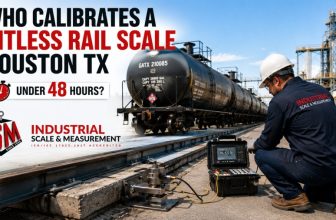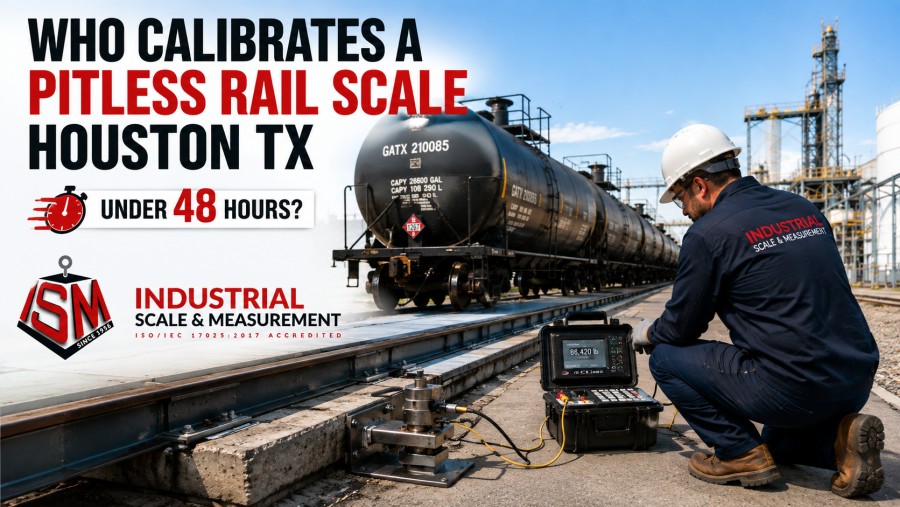
Rail logistics depends on accurate weight data. When a rail scale develops defects, inaccurate readings, equipment downtime, rejected loads, and compliance problems can quickly disrupt your schedule. For Houston operations moving bulk materials, even a small scale issue can create delays that spread across receiving, loading, transportation, and delivery.
How Can Rail Scale Defects Disrupt Your Logistics Schedule?
Rail scale defects can cause incorrect weight readings, slow loading operations, shipment disputes, and unexpected equipment downtime. When your weighing system cannot deliver dependable data, you may have to stop or repeat critical logistics processes.
Your rail scale is more than a weighing device. It is part of your operational control system. You use its measurements to verify cargo weights, manage inventory, document shipments, and keep railcars moving according to schedule.
A defective system can create problems at several points. If the scale reads too high, you may believe a railcar is overloaded and need to adjust the shipment. If it reads too low, you risk sending cargo that exceeds safe or regulatory limits. Either situation can force additional inspections, reweighing, paperwork, or handling.
For Houston facilities managing high-volume freight, these interruptions can become expensive quickly.
What Causes Rail Scale Problems?
Common rail scale problems include damaged load cells, wiring failures, environmental exposure, foundation movement, debris buildup, calibration drift, and worn mechanical components. Regular inspection helps you identify these issues before they become scheduling problems.
Houston’s industrial environment can make scale maintenance particularly important. Heavy equipment, temperature changes, moisture, dust, vibration, and continuous rail traffic can gradually affect weighing performance. Even when your scale appears operational, its measurements may become less reliable over time.
You should watch for warning signs such as inconsistent readings, unusual weight fluctuations, repeated calibration failures, visible component damage, or differences between expected and recorded weights. Treat these symptoms as operational warnings rather than minor inconveniences.
When you need dependable measurement support, Industrial Scale & Measurement provides specialized expertise for industrial weighing and measurement applications, helping you identify problems before they create larger disruptions.
Why Does Calibration Matter for Rail Logistics?
Calibration confirms that your weighing equipment produces measurements within an acceptable level of accuracy. Without proper calibration, you may make shipping, inventory, billing, and compliance decisions using unreliable data.
Think about what happens when a railcar’s recorded weight does not match its actual load. You may need to investigate the discrepancy, move material, repeat the weighing process, or hold the shipment while the problem is resolved. One questionable measurement can therefore affect several downstream tasks.
Calibration should not be treated as a one-time administrative requirement. You should establish a maintenance schedule based on equipment usage, operating conditions, manufacturer recommendations, and the consequences of inaccurate measurements.
You can also strengthen your broader measurement program by maintaining related inspection and calibration processes. For example, if your facility relies on torque-controlled equipment for maintenance or production work, you can review specialized torque wrench calibration services and measurement support to help maintain accuracy across your operation.
How Can You Prevent Rail Scale Downtime?
Preventive maintenance reduces the likelihood that a developing scale defect will become an unexpected operational shutdown. Your maintenance program should combine routine inspections, cleaning, testing, calibration, and timely component replacement.
Start by establishing a documented inspection routine. Check the scale structure, load cells, cables, junction boxes, approaches, and surrounding areas. Remove debris that could interfere with weighing performance, and investigate abnormal readings instead of repeatedly accepting them as normal variation.
You should also maintain clear records. Document calibration dates, test results, repairs, component replacements, and recurring faults. These records help you identify patterns and make better decisions about repairs or equipment upgrades.
Another important step is training your operators. Your team should know how to recognize unusual readings and understand when a scale should be taken out of service. Early reporting can prevent a small defect from becoming a major logistics interruption.
What Should You Do When a Rail Scale Shows Inaccurate Readings?
Stop relying on questionable measurements until the cause has been identified and the equipment has been properly tested. Continuing to use a defective scale can increase the risk of incorrect shipments, disputes, compliance issues, and costly rework.
Begin by documenting the symptoms. Record the affected railcars, unusual readings, operating conditions, and any error messages. Compare the scale’s behavior with previous measurements when appropriate.
Next, arrange professional inspection and calibration. A qualified technician can evaluate the weighing system and determine whether the problem involves calibration, load cells, wiring, structural components, software, or another part of the installation.
Do not automatically replace the entire scale because of one inaccurate reading. Professional troubleshooting can help you determine whether a targeted repair is sufficient or whether the system requires more extensive work.
How Does Better Scale Maintenance Improve Logistics?
Reliable weighing equipment helps you keep shipments moving because accurate measurements reduce reweighing, disputes, manual corrections, and avoidable interruptions. Better maintenance also gives you greater confidence in the operational data your facility uses every day.
You can improve reliability by treating your rail scale as critical infrastructure rather than an isolated piece of equipment. Schedule inspections before peak shipping periods, respond quickly to abnormal readings, and keep calibration documentation organized.
You should also coordinate maintenance with your logistics schedule whenever possible. Planned service is easier to manage than an emergency shutdown that occurs while a shipment is waiting to depart.
For Houston operations, this proactive approach can protect productivity while helping you maintain consistent measurement performance.
FAQs About Rail Scale Problems
How often should a rail scale be calibrated?
The appropriate frequency depends on usage, operating conditions, equipment specifications, and applicable requirements. High-use industrial scales may need more frequent testing. Follow manufacturer recommendations and establish a documented calibration schedule.
What are the signs of a defective rail scale?
Inconsistent readings, unexpected weight changes, calibration failures, damaged components, and discrepancies between known loads and displayed weights can indicate a problem. Investigate unusual measurements promptly instead of assuming they are normal.
Can weather affect rail scale accuracy?
Yes. Moisture, temperature changes, debris, and environmental exposure can affect scale components and performance. Regular inspections and preventive maintenance help you identify environmental issues before they cause significant weighing problems.
Why is accurate rail weighing important?
Accurate weighing supports shipment verification, inventory control, billing, safety, and compliance. Incorrect measurements can trigger reweighing, load adjustments, disputes, delays, and unnecessary handling.
Can preventive maintenance reduce rail scale downtime?
Yes. Routine inspections, cleaning, testing, calibration, and timely repairs can identify developing defects before they cause unexpected failures. A documented maintenance program also helps you plan service around your logistics schedule.
Keep Your Houston Logistics Operation Moving
You should not wait for an inaccurate rail scale reading to expose a maintenance problem. Reliable measurement supports predictable scheduling, accurate shipment records, and smoother freight operations.
If your facility needs professional guidance for weighing and measurement equipment, take the next step with Industrial Scale & Measurement. Contact the measurement experts for professional support and service options before a preventable scale defect turns into an expensive logistics delay.