Understanding Deep Brain Stimulation
Living with Parkinsons’ disease can make everyday activities increasingly challenging, particularly when medication provides inconsistent symptom control. Deep brain stimulation, commonly called DBS, offers an additional treatment option for carefully selected patients.
A brain pacemaker is an informal name for the implanted DBS system. It delivers electrical signals to specific brain regions involved in movement. These signals help regulate abnormal activity rather than replacing damaged brain cells. Understanding what treatment can realistically achieve is the first step towards an informed decision.
How the Implant Works
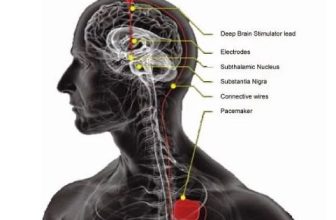
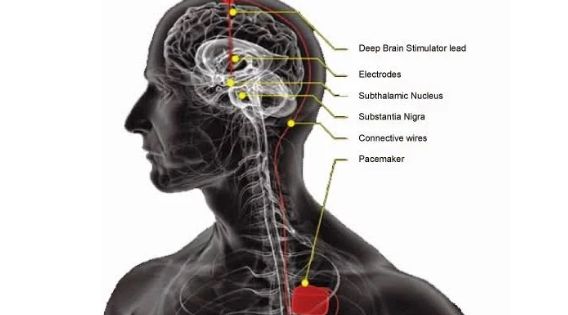
The system includes thin electrodes placed within targeted brain structures, connecting wires beneath the skin, and an implanted pulse generator, usually positioned near the collarbone. The generator supplies electrical stimulation through the electrodes.
Clinicians adjust stimulation settings using a programmer. This flexibility allows treatment to be tailored as symptoms and needs change. Patients receive instructions about their controller, including which functions they may use independently. Programming remains an essential part of treatment after the operation.
Who May Benefit from Treatment?
A brain pacemaker for parkinsons’ may be considered when tremor, stiffness, slowness, medication-related involuntary movements, or fluctuations remain troublesome despite optimized medication. It is not suitable for everyone.
A movement disorder specialist assesses the diagnosis, medication response, thinking abilities, mood, and overall health. Symptoms that improve with levodopa often respond better to DBS, although medication-resistant tremor may also benefit. Significant dementia or uncontrolled psychiatric illness can make surgery unsuitable. Selection requires an individual evaluation rather than a decision based on age or disease duration alone.
What Happens During Surgery?
Planning generally involves brain imaging and detailed assessment by the specialist team. During surgery, electrodes are positioned in the selected brain targets and connected to the implanted generator.
Some centres perform electrode placement while the patient is awake, while others use general anaesthesia. The operation may take place in one session or separate stages. The approach depends on the centre, the patient, and the surgical plan. Ask how placement will be checked, what hospital monitoring involves, and when programming will begin.
Benefits, Limitations, and Safety
DBS can improve selected movement symptoms and may reduce medication requirements. However, it does not cure Parkinsons’ disease or stop its progression. Difficulties involving memory, speech, balance, or walking may persist, particularly when they do not respond to medication.
Risks include bleeding within the brain, infection, seizures, and device complications. Stimulation can also affect speech, balance, mood, or thinking. Some effects improve with programming adjustments, but further treatment or surgery may occasionally be necessary. Discuss expected benefits and individual risks before giving consent.
Recovery and Ongoing Device Care
Life after DBS surgery involves wound healing, programming appointments, medication review, and continued neurological care. The device may be activated after an initial healing period, and achieving suitable settings can require several visits.
Continue prescribed medicines unless the treating specialist changes them. Rechargeable devices need regular charging, while other batteries eventually require replacement. Carry device identification and inform healthcare professionals before scans or procedures because compatibility and precautions depend on the implanted system.
Choosing the Right Specialist Team
Searching for the best DBS surgeon in India should involve more than comparing promotional claims. Consider relevant surgical experience, movement disorder expertise, hospital support, and access to long-term programming.
Ask who will coordinate follow-up, manage complications, and provide support if you live far from the centre. Clarify the total estimated costs, including the implant, programming, and future battery care.
Bring a symptom diary and medication schedule to the consultation. Discuss practical goals such as eating independently or managing daily routines. Clear expectations and reliable ongoing care help patients and families decide whether DBS fits their needs.