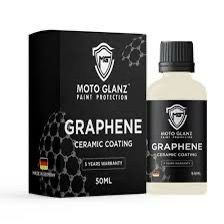
Even after years of use, everyone strives to keep their car’s finish intact. Extended exposure to external elements like UV radiation, acid rain, mineral contamination, etc., can harm the painted surface of your car. For surface protection, car owners like ceramic and graphene coatings.
However, which one keeps your car safer? We shall examine the distinctions between graphene and ceramic coatings in this blog.
Knowing About Both Coatings
Both types of coatings are distinct and can be used on the exterior and interior of your car. They are made to preserve the original appearance of your car’s surface even after years of use. The primary and most fundamental distinction between them is their composition.
A transparent liquid polymer is a ceramic coating. This polymer forms a strong chemical bond with the paint of your car to provide a long-lasting layer of defense. This layer can only be manually removed since it is so robust that chemicals cannot be used to remove it.
The concept of ceramic coating is enhanced by graphene coating. Graphene molecules are added to the same ceramic polymer in the beginning. Instead of adhering to the automobile, these graphene molecules create a covering of protection. The ceramic polymer continues to adhere to the car’s surface underneath.
The Difference Between Graphene and Ceramic Coating
While ceramic and graphene coatings function similarly and offer comparable advantages, they differ in that they contain different elements. When deciding which to employ, these attributes may be important considerations.
To assist you in choosing the right coating for your car and your needs, we’ve outlined the key distinctions between ceramic and graphene coatings below.
- Ability to Resist Minor Abrasion
The fact that a ceramic coating on your car can withstand chemical harm is a huge bonus. However, rubbing and pressing against objects might still cause scratches or wear down when driving. Over time, this damage may remove the layer, revealing portions of the paint or material below your car.
- Chemical Resistance
Both coatings are efficient in preventing chemical damage. These coatings will create a strong link between the painted surface and the ceramic coatings, protecting it for many years. Furthermore, only a compounding procedure may be used to break the link formed by the ceramic and graphene coatings. Because of their manufacturing processes, coatings consisting of ceramic and graphene are naturally resistant to chemicals. On the other hand, graphene coatings may be more effective at repelling chemicals due to the additional graphene molecules present.
- Prices
When comparing the costs of ceramic and graphene, graphene coatings are more costly. Ceramic coatings come in a variety of brands and are often less expensive. Since graphene coating is a relatively new product in the auto detailing market, it is an expensive choice.
It is false to assume that just since Graphene coatings are pricey, they must provide good outcomes. There are a lot of ceramic coating choices available that are just as good as graphene coatings. While selecting a choice, the cost of the goods shouldn’t be the sole consideration. It is also important to take into account the value you place on your car and how it looks.
- The Hydrophobic Characteristic
Water should never come in contact with your car, especially in Indian coastal areas where atmospheric moisture can pose a serious threat. Water can still cause problems if gaps are identified in automobile paint and treatments. It is for this reason that water-repellent automobile coatings are so important.
Water-repellent ceramic and graphene coatings work incredibly well on cars. Water can run off graphene coatings very quickly, so you won’t have to worry as much about the car to get the water to slide off. They also lessen the likelihood that water will adhere to your car as it passes over it, preventing rust and water oxidation over time.
- The Application Procedure
For the ceramic and graphene coatings to be set properly, they need some setup, a professional touch, and patience. They must be placed indoors, where the temperature can be regulated and the environment is clean, for the best results. To properly apply either coating, follow these steps:
- doing a thorough car wash.
- eliminating any impurities.
- putting the paint to use.
- cleaning each panel with caution.
Applying them is similar; you use a special tool to gently cover small spots. For the ultimate touch, you will need to smooth and buff the coating after it has been applied and has begun to dry (also known as “flashes”).
- After Application Completion
How “slick” or smooth a coating is determines how shiny your automobile will look, how long it will last, and how simple it is to maintain. It will be extremely smooth if the coating is applied by a skilled professional, dries properly, and receives the necessary care. This smoothness aids in preventing road debris, grime, and dirt from adhering to your vehicle. There won’t be as many dirt particles adhered to your car, which also means cleaning it will be easier. Which ceramic or graphene coating is superior will depend on how well the work is done and how the product is applied.
Which is better, ceramic or graphene coating?
After reading this blog, you may have determined who the clear winner is. Ceramic coatings made of graphene surpass those made of ceramic. Although graphene coatings can be expensive, they have further advantages and long-term benefits. Because of their elasticity, they provide superior protection against scratches and are tougher overall. Furthermore, a polished layer of ultra-smooth graphene ceramic coating will add distinction to your luxury vehicle.
Choose the Perfect Coating for Your Vehicle
Because graphene coating is so durable and produces such amazing outcomes, most people choose it. However, if you’re still having trouble deciding between ceramic and graphene, The Detailing Mafia’s knowledgeable staff can assist you. Our staff of skilled detailers would be happy to help you so that you may decide wisely.