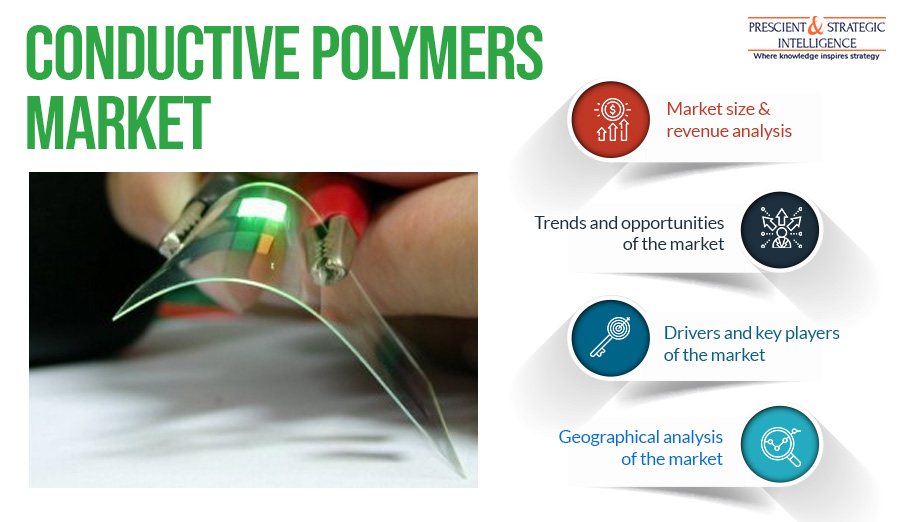
In the past few years, the arena of materials science has experienced extraordinary improvements, with researchers nonstop pushing the borders of what is doable. Among the pioneering findings are conductive polymers, a type of materials that have attained substantial attention because of its exclusive properties and extensive variety of applications.
What Are Conductive Polymers?
Conductive polymers are carbon-based materials that have both the electrical conductivity of metals and the mechanical suppleness of traditional polymers. Not like conventional conductors such as copper or gold, such polymers conduct electricity via the movement of electrons along their polymer chains. This extraordinary property rises from the existence of conjugated pi-electron systems within the polymer structure, permitting the effective transmission of charges.
Properties and Applications
One of the most fascinating features of conductive polymers is their tunability. By changing their chemical structure, researchers can modify their conductivity, mechanical properties, and other characteristics to suit specific applications. This adaptability has cemented the way for countless practical uses across numerous industries.
Electronics: Conductive polymers have found applications in electronic devices, like organic light-emitting diodes (OLEDs) and organic solar cells. Their flexibility, lightweight nature, and ease of processing make them ideal candidates for next-generation electronic components.
Energy Storage: Conductive polymers show potential in energy storage devices, such as batteries and supercapacitors. Their high charge/discharge rates, combined with their capability to be shaped into different forms, open up new possibilities for efficient energy storage solutions.
Sensors: Conductive polymers can be incorporated into sensors for various purposes, including gas sensing, biosensing, and environmental monitoring. Their sensitivity to external stimuli, coupled with their ease of integration, make them valuable tools for detecting and analyzing a wide range of substances.
Antistatic Coatings: The conductivity of these polymers makes them suitable for antistatic coatings in applications where static electricity buildup must be minimized, such as electronics manufacturing or hazardous environments where sparks can cause explosions.