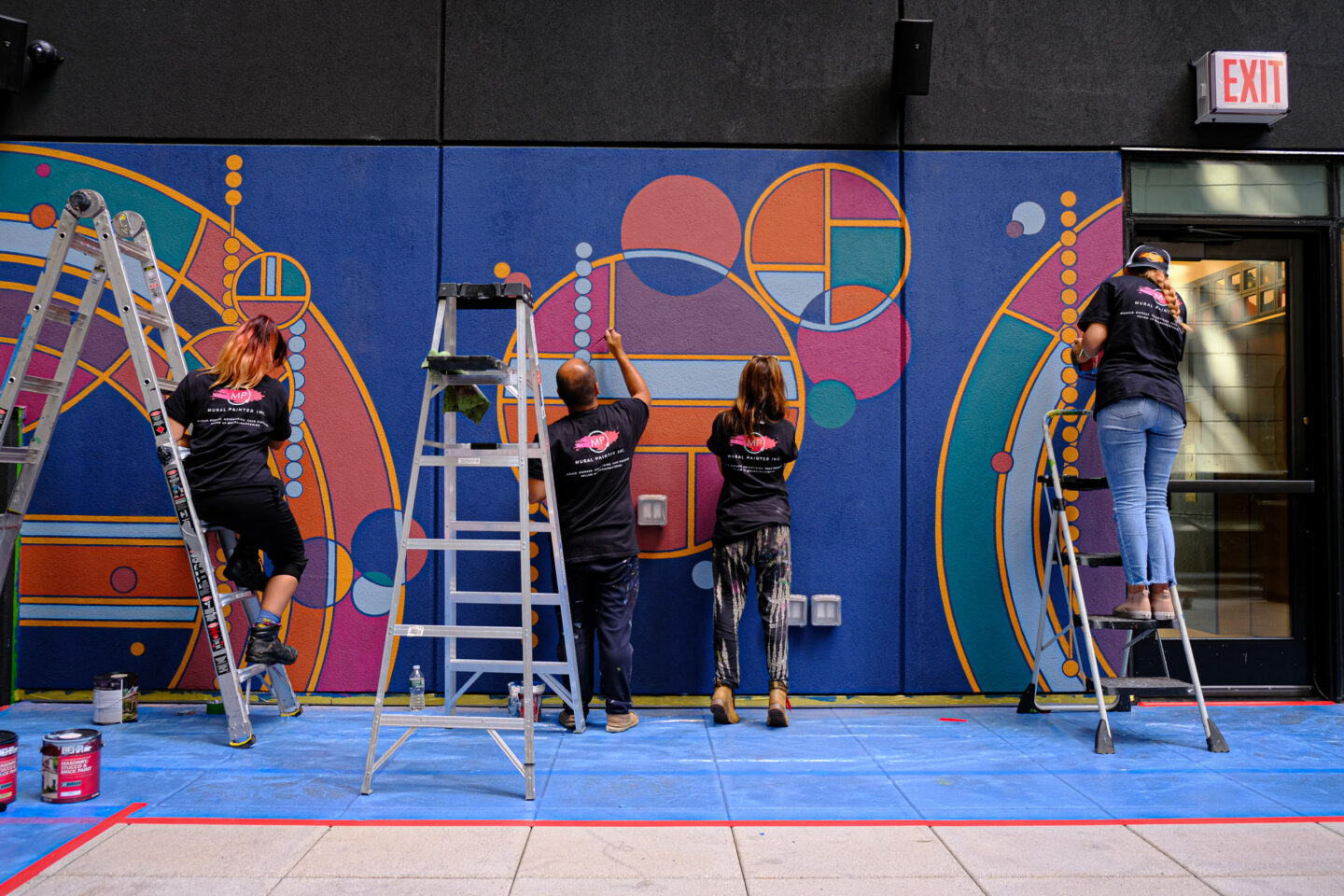
Uncovering the vibrant stories hidden within the walls of our communities, Mural painting on wall brings a burst of color and life to the world around us. From urban streets to rural landscapes, these hand-painted masterpieces have become powerful tools for exploring and preserving cultural heritage. Join us as we unveil the captivating tales that lie beneath each stroke of paint, celebrating art’s ability to connect us with our past while shaping a brighter future.
How murals can be used to explore cultural heritage
Murals have the remarkable ability to serve as visual storytellers, capturing the essence of a community’s cultural heritage. Each stroke of paint on a wall mural weaves together narratives that span generations, allowing us to delve into the rich tapestry of history and traditions.
When it comes to exploring cultural heritage, murals offer an immersive experience like no other. They showcase iconic symbols, significant events, and influential figures that hold deep meaning within a community. From ancient civilizations to modern-day movements, these hand-painted masterpieces allow us to connect with our roots in profound ways.
Murals serve as catalysts for dialogue and social change by addressing contemporary issues rooted in cultural heritage. Artists often use their work as platforms for raising awareness about historical injustices or advocating for marginalized communities whose stories have been overlooked or silenced throughout history.
The impact of murals on communities
The impact of murals on communities is truly remarkable. These vibrant and eye-catching artworks have the power to transform a neighborhood, creating a sense of pride and identity among its residents. When a mural is painted in a community, it becomes more than just a piece of art – it becomes a symbol of unity and collaboration.
One major impact that murals have on communities is the way they bring people together. During the creation process, artists often involve local residents, encouraging them to share their stories and experiences.
Murals can contribute to the revitalization of neglected areas. By beautifying blank walls or rundown buildings with colorful imagery, these artworks breathe new life into forgotten spaces. This transformation can attract visitors and tourists to previously overlooked neighborhoods, boosting local businesses and economic growth.
Mural painting as a form of cultural heritage
Mural painting is more than just a form of artistic expression; it serves as a powerful tool for exploring and preserving cultural heritage. Through vibrant hand painted murals, communities can uncover hidden stories, celebrate their traditions, and create lasting connections with their past.
By adorning walls with intricate designs and meaningful imagery, mural artists bring history to life in a visually captivating way. These murals act as windows into the rich tapestry of cultures that make up our world, allowing us to delve deep into the heart of different communities and gain a greater understanding of their unique experiences.
Mural painting gives voice to uanderrepresented groups whose stories may have been forgotten or marginalized over time. By depicting historical events or highlighting cultural practices that were once invisible, these artworks empower individuals to reclaim their heritage and assert their identity in an increasingly globalized world.