What Is Car Protection Film and Why Should You Care? A Friendly Guide to PPF Coating for Everyday Drivers

Keeping your car looking new is easier said than done. Between road debris, harsh weather, sun exposure, and everyday wear and tear, your vehicle’s exterior takes a beating. So how do you keep that fresh-off-the-lot shine for longer without constantly worrying about scratches or fading paint?
One smart solution that more drivers are turning to is car protection film, also known as PPF coating. If you’ve ever heard those terms thrown around but weren’t exactly sure what they meant or whether they’re worth it, don’t worry—we’ve got you covered. In this guide, we’ll walk you through the benefits of car protection film, why PPF coating might be right for you, and tips to get the most out of it.
What Is Car Protection Film and How Does It Work?
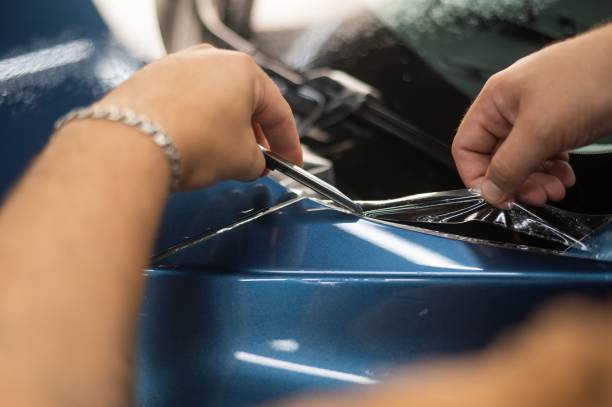
Let’s break it down simply. Car protection film is a thin, clear layer made of durable urethane material that is applied over your car’s painted surfaces. It’s designed to be invisible, flexible, and super tough—kind of like a phone screen protector, but for your vehicle.
It acts as a barrier between your car’s paint and everything that wants to damage it: rocks, bug splatter, salt, bird droppings, UV rays, and minor scratches.
Here’s how PPF coating (Paint Protection Film) helps you:
Shields Against Road Damage: Whether it’s gravel from a construction zone or sand kicked up on the highway, car protection film keeps it from chipping your paint.
Blocks UV Rays: Fading and oxidation happen fast under direct sunlight, especially in hotter climates. PPF coating reduces that risk.
Self-Healing Technology: Most high-quality PPFs are self-healing, meaning minor scratches disappear with heat from the sun or engine.
Maintains Glossy Appearance: It helps your car retain that smooth, high-gloss finish without needing constant waxing.
Whether you’re driving a new SUV or a reliable older sedan, car protection film adds lasting value.
Where and When to Use PPF Coating on Your Car
You don’t have to cover your entire vehicle to enjoy the benefits of PPF coating. Many drivers focus on high-impact areas where damage is most likely.
Here are the most commonly protected spots:
Front Bumper and Hood: These are the first to take hits from flying debris or bugs.
Side Mirrors and Door Edges: Everyday use can quickly lead to small chips and scratches here.
Fenders and Rocker Panels: These areas are especially vulnerable on trucks or vehicles with wide tires.
Trunk Ledge: A helpful spot for those who are always loading and unloading gear.
If you do a lot of highway driving, park outside often, or live in areas with unpredictable weather, a full-body PPF coating might be worth considering.
Choosing the Right Car Protection Film
Not all car protection films are the same, so you’ll want to pay attention to the quality of both the film and the installation.
Here are some key tips to help you choose wisely:
Look for Trusted Brands: Names like 3M, XPEL, and SunTek are known for durability and self-healing properties.
Make Sure It’s Professionally Installed: DIY kits are tempting, but installation requires precision. Professional installers will make sure the film is perfectly smooth and bubble-free.
Ask About Warranty: A good PPF product should come with a multi-year warranty that covers yellowing, cracking, or peeling.
Request a Sample or Demo: Many installers can show you test panels or previous projects so you can see the quality firsthand.
A high-quality car protection film may cost more upfront, but it saves you money in the long run by avoiding repainting and repairs.
How to Care for Your PPF Coating
Once your PPF coating is in place, taking care of it is simple—but a few good habits go a long way.
Wait a Couple of Days to Wash: Let the film cure before giving your car its first post-install clean.
Wash Gently: Use a soft microfiber cloth and pH-balanced car shampoo. Avoid harsh chemicals and automatic car washes with spinning brushes.
Dry with Care: Skip the rough towels. Use a clean microfiber towel to avoid scratches.
Avoid Picking at the Edges: If you notice any edges lifting, visit your installer instead of peeling it yourself.
Use Film-Safe Sealants: If you want to add shine or an extra layer of protection, ask your installer about compatible ceramic coatings or waxes.
With proper care, your car protection film can last anywhere from 5 to 10 years—and your car will look great the whole time.
Everyday Benefits of PPF You’ll Actually Notice
Let’s put this into real-world perspective. Picture this:
You’re parked under a tree during your kid’s soccer game. Two hours later, your hood is covered in bird droppings and tree sap. Without protection, those can etch into your paint quickly. With car protection film, you just wipe it off—no damage done.
Or maybe you’re taking a road trip and catch a spray of gravel from a passing truck. That could leave tiny chips all over your front bumper. But if you’ve got a PPF coating, the film absorbs the impact while your paint stays flawless underneath.
It’s not just about looks—it’s about less stress, less maintenance, and more pride in your ride.
Final Thoughts
If you’re serious about keeping your car looking great and holding its value, car protection film is one of the best investments you can make. With strong, flexible technology and long-lasting performance, PPF coating shields your car from daily hazards and keeps it looking new for longer.
From casual commuters to car enthusiasts, anyone can benefit from this invisible layer of protection. It’s one of those upgrades you’ll appreciate every time you clean your car or dodge another rock chip on the highway.
So whether you’re just starting to research or ready to book your installation, consider giving your car the protection it deserves.