As the world continues to experience the devastating effects of climate change, it’s crucial that homeowners take proactive measures to protect their properties from natural disasters such as wildfires. One effective way to reduce the risk of wildfire damage to your home is by designing a fire-smart garden using Firewise landscaping techniques. In this article, we’ll discuss the basics of Firewise landscaping and provide you with actionable tips to create a beautiful, fire-resistant garden that will help protect your home.
Table of Contents
- What is Firewise Landscaping?
- Benefits of Firewise Landscaping
- Choosing Fire-Resistant Plants
- Creating Defensible Space
- Hardscaping for Fire Prevention
- Irrigation and Water Management
- Mulching and Composting
- Maintenance and Cleaning
- Fire-Smart Design Ideas
- The Importance of Professional Landscaping Services
- Conclusion
- FAQs
1. What is Firewise Landscaping?
Firewise landscaping involves the strategic use of plants, hardscaping, and other design elements to reduce the risk of fire damage to your home. The goal is to create a fire-smart garden that can act as a barrier between your home and potential wildfires, while also providing aesthetic and environmental benefits.
2. Benefits of Firewise Landscaping
Aside from reducing the risk of fire damage to your property, Firewise landscaping has several other benefits, including:
- Increased property value
- Reduced water usage
- Improved air quality
- Attracting beneficial wildlife
- Decreased maintenance costs
3. Choosing Fire-Resistant Plants
Choosing the right plants for your fire-smart garden is crucial. Look for plants that are drought-resistant, slow-burning, and have a low accumulation of dead branches, leaves, and other debris. Some examples of fire-resistant plants include:
- Succulents, such as agave and aloe
- Native grasses, such as blue grama and buffalo grass
- Shrubs, such as sagebrush and serviceberry
- Trees, such as oak and maple
4. Creating Defensible Space
Creating defensible space around your home is an essential part of Firewise landscaping. This involves removing flammable materials, such as dead leaves, branches, and other debris, from within 30 feet of your home. You should also trim tree branches and shrubs so that they don’t touch your home or overhang your roof.
5. Hardscaping for Fire Prevention
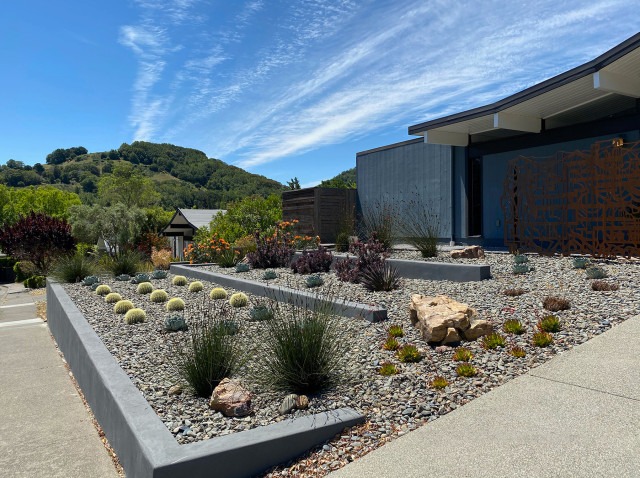
In addition to plant selection, hardscaping can also play a significant role in fire prevention. Consider using materials such as gravel, rocks, and concrete in areas where fires are most likely to occur, such as around your home’s foundation and near combustible structures like sheds and fences.
6. Irrigation and Water Management
Proper irrigation and water management are critical components of Firewise landscaping. Make sure your plants are getting enough water, and consider using drip irrigation to reduce water usage. You should also avoid watering your plants during the hottest parts of the day to reduce the risk of evaporation.
7. Mulching and Composting
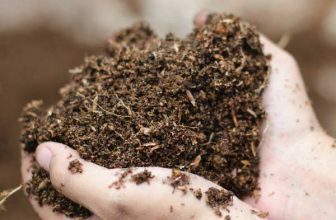
Using mulch and compost can help improve soil health, reduce water usage, and suppress weed growth, but it’s essential to choose the right materials. Avoid using wood chips or other flammable materials, and opt for non-combustible options such as gravel or rocks.
8. Maintenance and Cleaning (continued)
, and keeping your lawn mowed and well-maintained. You should also regularly check your garden’s irrigation system for leaks or damage and repair any issues promptly.
9. Fire-Smart Design Ideas
There are many ways to incorporate Firewise landscaping techniques into your garden’s design. For example, you can create fire breaks using non-combustible materials like gravel or concrete, use raised garden beds to keep plants away from flammable materials like wood fencing, and strategically place fire-resistant plants around your home to create a buffer zone.
10. The Importance of Professional Landscaping Services
While Firewise landscaping can be done on your own, it’s always a good idea to consult with a professional landscaper who has experience with fire prevention. A professional can assess your property’s unique risks and help you design a fire-smart garden that maximizes protection and beauty.
11. Conclusion
In conclusion, designing a fire-smart garden using Firewise landscaper in Dubai is an excellent way to protect your home from the devastating effects of wildfires. By choosing fire-resistant plants, creating defensible space, incorporating hardscaping and irrigation, and maintaining your garden regularly, you can significantly reduce your home’s risk of fire damage. Remember to consult with a professional landscaper for expert advice on how to design a fire-smart garden that meets your property’s unique needs.
12. FAQs
- What is Firewise landscaping?
Firewise landscaping involves using plants, hardscaping, and other design elements to create a fire-smart garden that can act as a barrier between your home and potential wildfires. - What are some benefits of Firewise landscaping?
Aside from reducing the risk of fire damage to your property, Firewise landscaping can increase your property’s value, reduce water usage, improve air quality, attract beneficial wildlife, and decrease maintenance costs. - What are some fire-resistant plants?
Some examples of fire-resistant plants include succulents like agave and aloe, native grasses like blue grama and buffalo grass, shrubs like sagebrush and serviceberry, and trees like oak and maple. - Do I need professional landscaping services for Firewise landscaping?
While Firewise landscaping can be done on your own, consulting with a professional landscaper who has experience with fire prevention is always a good idea. - How do I maintain a fire-smart garden?
Regular maintenance and cleaning are critical to ensure that your fire-smart garden remains effective. This includes removing dead plant material, checking your garden’s irrigation system, and keeping your lawn mowed and well-maintained.