

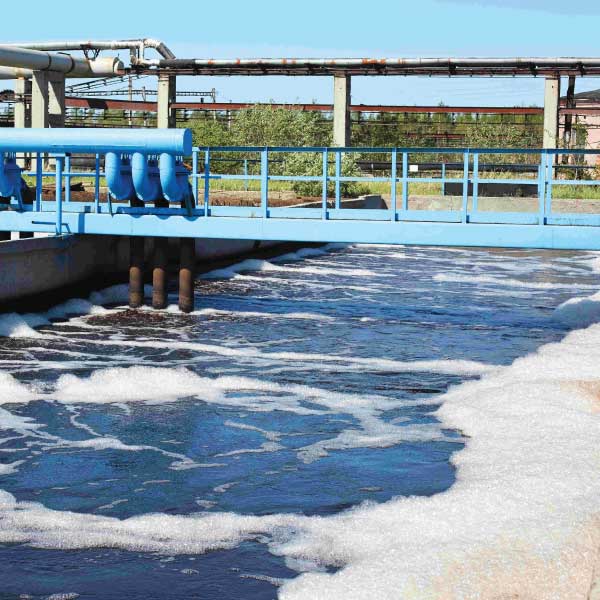
Sewage, often regarded as a challenging waste, holds the potential to become a valuable resource when treated effectively. In this journey from waste to resource, communities can undergo a transformative process that not only safeguards the environment but also contributes to sustainable development. This exploration delves into the pivotal role of effective sewage treatment in turning waste into a valuable resource, fostering community well-being and environmental stewardship.
The Transition: From Sewage Waste to Resource
- Challenges of Traditional Approaches: Conventional sewage treatment methods often focus on containment and removal, treating sewage as a problem to be solved. However, this approach overlooks the latent value that sewage holds in terms of nutrients and energy.
- Shifting Paradigms: The paradigm shift towards effective sewage treatment recognizes sewage not merely as waste but as a potential resource. This shift is driven by the understanding that, when treated with advanced technologies, sewage can yield valuable components beneficial to both the environment and the community.
Key Elements of Effective Sewage Treatment
- Nutrient Recovery Systems: Advanced treatment methods include systems that extract nutrients like phosphorus and nitrogen from sewage. These nutrients, once considered pollutants, are transformed into valuable resources for agricultural applications, promoting soil fertility and crop growth.
- Energy Generation: Sewage treatment plants can harness energy from the treatment process itself. Anaerobic digestion, for instance, produces biogas, a renewable energy source. This not only reduces the environmental impact of sewage but also contributes to local energy production.
- Smart Monitoring and Optimization: Integrating smart technologies into sewage treatment allows for real-time monitoring and optimization of processes. This not only enhances treatment efficiency but also enables resource recovery by adapting to variations in sewage composition.
- Decentralized Treatment Solutions: Decentralized sewage treatment systems, designed for local application, reduce the need for extensive infrastructure. These systems offer communities more control over their wastewater, transforming sewage into a resource at a smaller scale.
Community Transformation Through Effective Sewage Treatment
- Environmental Stewardship: By treating sewage as a resource, communities actively engage in environmental stewardship. Effective treatment mitigates the impact of sewage on water bodies, preserving aquatic ecosystems and biodiversity.
- Public Health and Well-being: Robust sewage treatment safeguards public health by eliminating harmful pathogens and contaminants. Access to clean water resources enhances community well-being, preventing waterborne diseases and ensuring a healthier population.
- Economic Opportunities: The transition from waste to resource creates economic opportunities within communities. Nutrient-rich biosolids, recovered from sewage, can be utilized in agriculture, reducing the need for chemical fertilizers and fostering sustainable farming practices.
- Local Energy Production: Energy generated through sewage treatment provides a local and renewable energy source. This not only contributes to energy independence but also creates opportunities for economic development and job creation within the community.
Conclusion: A Holistic Approach to Sustainable Communities
In conclusion, effective sewage treatment transcends traditional waste management by recognizing the latent value within sewage. The transition from waste to resource is a transformative journey that empowers communities to embrace environmental stewardship, ensure public health, and unlock economic opportunities. By adopting advanced treatment methods, communities can not only meet the challenges of sewage management but also contribute to a sustainable and resilient future where waste becomes a valuable resource for the benefit of all.
