

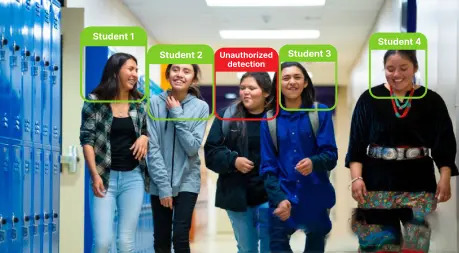
Ensuring the safety and security of students and staff within educational institutions is paramount. With the rise in security threats and incidents, schools are increasingly turning to advanced technologies to bolster their security measures. Among these technologies, AI-powered video analytics stands out as a promising tool for enhancing school security. By leveraging the capabilities of artificial intelligence, schools can proactively monitor their premises, detect potential threats in real-time, and respond swiftly to emergencies. In this article, we will explore the various ways in which AI video analytics can improve school security, ranging from monitoring campus activities to identifying suspicious behavior and enhancing emergency response protocols.
Enhanced Surveillance and Monitoring:
Traditional surveillance systems often rely on human operators to monitor multiple camera feeds, making it challenging to maintain constant vigilance. AI video analytics software can alleviate this burden by autonomously analyzing video streams in real-time. Through techniques such as object detection, facial recognition, and anomaly detection, AI algorithms can identify and track individuals, vehicles, and objects within school premises. This continuous monitoring helps in deterring unauthorized access, preventing vandalism, and identifying potential security breaches promptly.
Threat Detection and Prevention:
AI video analytics can play a crucial role in threat detection and prevention by identifying suspicious behavior and activities. By analyzing patterns of movement, crowd dynamics, and environmental factors, AI algorithms can flag anomalies that may indicate a potential threat. For example, loitering in restricted areas, unusual gatherings, or erratic movements can be detected and investigated promptly. Moreover, AI can integrate with other security systems, such as access control and intrusion detection, to provide a comprehensive security solution.
Real-time Alerts and Notifications:
One of the key advantages of AI video analytics is its ability to generate real-time alerts and notifications in response to security incidents. When unusual behavior or potential threats are detected, the system can automatically send alerts to security personnel, administrators, and law enforcement agencies. These alerts can include live video feeds, location information, and other relevant data, enabling rapid response and intervention. By reducing response times, AI video analytics helps in minimizing the impact of security incidents and improving overall safety on campus.
Behavioral Analysis and Risk Assessment:
AI-powered video analytics can also assist in behavioral analysis and risk assessment by analyzing historical data and identifying patterns of behavior. By correlating various data points, such as attendance records, access logs, and social media activity, AI algorithms can generate risk profiles for individuals and groups. This proactive approach allows schools to identify potential threats before they escalate and take preemptive measures to mitigate risks. Additionally, behavioral analysis can help in identifying students who may be experiencing social or emotional distress, enabling early intervention and support.
Emergency Response and Crisis Management:
In the event of an emergency or crisis situation, AI video analytics can provide valuable support to emergency response teams and law enforcement agencies. By providing real-time situational awareness, including the location of individuals, the extent of the threat, and the progress of evacuation procedures, AI can facilitate more effective decision-making and coordination. Furthermore, AI algorithms can assist in post-event analysis by reconstructing timelines, identifying perpetrators, and gathering evidence for investigations.
Privacy and Ethical Considerations:
While AI video analytics offers significant benefits for school security, it also raises important privacy and ethical considerations. Schools must ensure that their use of AI technologies complies with relevant laws and regulations, such as the Family Educational Rights and Privacy Act (FERPA) and the Children’s Online Privacy Protection Act (COPPA). Additionally, schools should implement robust data security measures to protect sensitive information collected through video surveillance. Transparency and accountability are also essential, and schools should communicate openly with students, parents, and staff about the use of AI video analytics and its implications for privacy.
Conclusion:
AI video analytics holds immense potential for enhancing school security by providing advanced surveillance, threat detection, real-time alerts, behavioral analysis, and emergency response capabilities. By leveraging the power of artificial intelligence, schools can create safer and more secure environments for students, staff, and visitors. However, it is essential to balance the benefits of AI with considerations for privacy, ethics, and accountability. By adopting a comprehensive approach that addresses these concerns, schools can harness the full potential of AI video analytics to protect their communities and promote a culture of safety and security.


