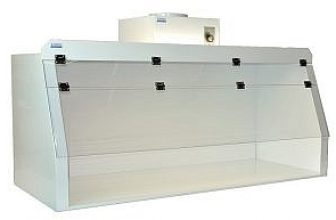
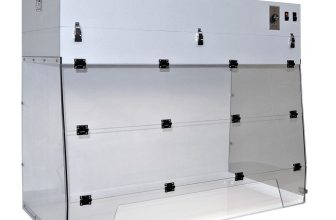
Laboratories often handle hazardous chemicals that can release harmful vapors, fumes, gases, and airborne particles. Without proper ventilation, these contaminants can expose personnel to serious health risks, including respiratory irritation, chemical burns, and long-term occupational illnesses. That is why a chemical exhaust hood is one of the most important safety systems in any laboratory environment.
If you work with volatile substances, understanding how a chemical exhaust hood protects lab personnel can help you create a safer, more productive workplace while maintaining regulatory compliance.
What Is a Chemical Exhaust Hood?
A chemical exhaust hood is a specialized ventilation enclosure designed to capture, contain, and remove hazardous airborne contaminants generated during laboratory procedures. By drawing contaminated air away from the user and exhausting it safely outside the facility or through an approved filtration system, the hood helps prevent dangerous exposure.
Whether you are conducting chemical mixing, sample preparation, solvent handling, or testing procedures, a chemical exhaust hood for laboratory fume containment and worker safety provides a critical barrier between you and potentially harmful substances.
Protects Against Hazardous Chemical Exposure
One of the primary functions of a chemical exhaust hood is to reduce your exposure to toxic fumes and vapors. Many chemicals release invisible contaminants that can quickly accumulate in a laboratory if not properly controlled.
When you perform experiments inside a hood, the airflow continuously captures airborne hazards before they reach your breathing zone. This minimizes the risk of inhalation and helps protect your respiratory system from potentially dangerous substances.
By using a high-performance Chemical Exhaust Hood for hazardous laboratory chemical handling, you create a safer work environment for everyone in the lab.
Reduces the Risk of Chemical Accidents
Chemical spills, splashes, and unexpected reactions can occur even in well-managed laboratories. A chemical exhaust hood helps contain these incidents within a designated workspace.
Because the hood is designed with protective barriers and controlled airflow, accidental releases are less likely to spread throughout the laboratory. This containment capability helps reduce the impact of chemical accidents and limits personnel exposure.
As a result, you can perform sensitive procedures with greater confidence and improved safety.
Improves Air Quality in the Laboratory
Maintaining clean indoor air is essential for laboratory safety. Without proper ventilation, airborne contaminants can circulate throughout the workspace and affect multiple personnel.
A properly functioning hood continuously removes harmful particles and vapors, improving overall air quality. Better air quality not only supports employee health but also creates a more comfortable and productive work environment.
Investing in a reliable chemical exhaust hood system for laboratory air quality control helps ensure that contaminants are effectively managed before they become a workplace hazard.
Supports Compliance with Safety Regulations
Laboratories must comply with various workplace safety standards and industry regulations regarding hazardous chemical exposure.
Chemical exhaust hoods help facilities meet ventilation and containment requirements by providing a controlled environment for handling dangerous substances. Regular use of properly maintained hoods demonstrates a commitment to employee safety and regulatory compliance.
Organizations looking for dependable laboratory safety equipment often turn to CleaTech LLC for high-quality laboratory solutions designed to support safe and compliant operations.
Prevents Cross-Contamination
In many laboratory applications, preventing contamination is just as important as protecting personnel. Airborne particles generated during chemical processes can contaminate nearby experiments, materials, or equipment.
A chemical exhaust hood captures contaminants at the source, preventing them from spreading throughout the laboratory. This helps preserve sample integrity and ensures more accurate testing and research results.
By controlling airborne hazards, you protect both your employees and the quality of your laboratory work.
Enhances Productivity and Confidence
Employees perform better when they feel safe. When personnel know that hazardous fumes are being properly controlled, they can focus more effectively on their tasks.
A chemical exhaust hood creates a secure workspace that allows researchers, technicians, and laboratory staff to conduct procedures with greater confidence. Reduced safety concerns often translate into improved efficiency, fewer interruptions, and better overall productivity.
Providing the right equipment demonstrates your commitment to workplace safety and employee well-being.
Key Features That Improve Personnel Protection
When selecting a chemical exhaust hood, consider features that maximize safety and performance:
- Consistent airflow control
- Durable chemical-resistant construction
- Large viewing windows for visibility
- Ergonomic workstation design
- Easy maintenance access
- Reliable exhaust and filtration systems
- Compliance with laboratory safety standards
Choosing the right hood ensures optimal protection while supporting your laboratory’s specific operational requirements.
Choosing the Right Chemical Exhaust Hood
Not all laboratories have the same ventilation needs. The ideal hood depends on factors such as:
- Types of chemicals being used
- Frequency of chemical handling
- Laboratory size
- Airflow requirements
- Regulatory obligations
- Available installation space
Working with experienced manufacturers can help you identify the most effective solution for your facility. Explore advanced laboratory ventilation options from Chemical Exhaust Hood systems designed to improve safety, performance, and compliance.
Conclusion
A chemical exhaust hood plays a vital role in protecting laboratory personnel from hazardous airborne contaminants. By capturing toxic fumes, improving air quality, reducing accident risks, preventing contamination, and supporting regulatory compliance, these systems form a critical part of any laboratory safety program.
Whether you operate a research laboratory, educational facility, pharmaceutical environment, or industrial testing center, investing in a high-quality chemical exhaust hood helps safeguard both your personnel and your operations.
For expert guidance and premium laboratory safety equipment, trust CleaTech LLC. To discuss your laboratory requirements and find the right solution for your facility, Contact us today and speak with a knowledgeable specialist.
Frequently Asked Questions
What is the purpose of a chemical exhaust hood?
A chemical exhaust hood captures and removes hazardous fumes, vapors, gases, and airborne particles generated during laboratory procedures, helping protect personnel from exposure.
How does a chemical exhaust hood improve laboratory safety?
It reduces inhalation risks, contains chemical releases, improves air quality, and helps prevent contaminants from spreading throughout the laboratory.
Can a chemical exhaust hood prevent all chemical exposure?
While it significantly reduces exposure risks, proper operating procedures, personal protective equipment, and regular maintenance are also essential for complete laboratory safety.
How often should a chemical exhaust hood be inspected?
Most laboratories perform routine inspections and airflow testing at least annually, although usage intensity and regulatory requirements may require more frequent evaluations.
What industries commonly use chemical exhaust hoods?
Chemical exhaust hoods are widely used in pharmaceutical laboratories, research facilities, educational institutions, biotechnology centers, industrial testing laboratories, and manufacturing environments.
Why is proper airflow important in a chemical exhaust hood?
Proper airflow ensures hazardous contaminants are captured and removed efficiently before they can reach laboratory personnel or contaminate the surrounding workspace.