

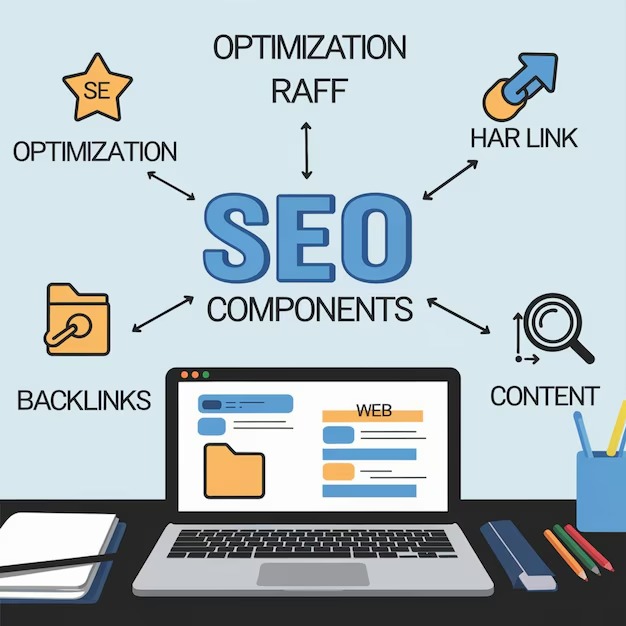
When I think about website authority, I do not see it as a single SEO metric or something that can be created overnight. I see it as the result of consistent trust signals, valuable content, relevant backlinks, strong technical foundations, and a positive experience for visitors. Search engines need reasons to trust a website, and users need reasons to believe that the business behind it is credible.
In my experience, building authority requires a strategic approach rather than a collection of disconnected SEO tactics. An Atlanta SEO Company can help businesses develop that strategy by combining technical SEO, content development, link acquisition, local optimization, and ongoing performance analysis.
What Does Website Authority Really Mean?
Website authority refers to the overall strength, credibility, relevance, and trustworthiness a website demonstrates within its industry or topic area. While different SEO platforms use their own authority-related metrics, search engines do not simply assign websites one universal “authority score.”
I focus instead on the signals that contribute to a website becoming more trustworthy and competitive in organic search. These can include:
- High-quality and relevant backlinks
- Helpful, original content
- Strong topical relevance
- Positive user experience
- Technical SEO health
- Consistent local business information
- Authoritative brand mentions
- Clear website structure
- Demonstrated expertise and credibility
The goal is not simply to make a website look authoritative to an SEO tool. The goal is to create a website that genuinely deserves visibility.
Start with a Technical SEO Foundation
Before I try to build authority through content or backlinks, I make sure the website itself is technically sound. A website with broken pages, confusing navigation, slow performance, indexing problems, or poor mobile usability can struggle to turn SEO efforts into sustainable results.
A technical SEO review can identify issues such as:
- Crawlability problems
- Indexing errors
- Broken internal links
- Duplicate or thin pages
- Poor URL structures
- Missing or incorrect canonical tags
- Mobile usability concerns
- Page-speed issues
- Improper redirects
- XML sitemap problems
I consider this the foundation of authority building. Search engines need to be able to discover, understand, and index important pages efficiently.
Build Topical Authority Through Useful Content
One of the most effective ways I build authority is by developing content around topics that matter to the target audience. Instead of publishing random articles simply to increase word count, I create content designed to answer real questions and demonstrate subject knowledge.
For example, a business can create a central service page supported by informative articles covering related questions, problems, comparisons, and practical solutions. This creates a logical content ecosystem.
A strong content strategy can include:
- Service pages
- Location pages
- Educational blog posts
- Industry guides
- Frequently asked questions
- Comparison content
- Case studies
- How-to resources
- Expert insights
I also make sure related pages are connected through thoughtful internal links. This helps users discover additional information while giving search engines clearer signals about the relationship between topics.
Earn Relevant, High-Quality Backlinks
Backlinks remain an important part of authority building, but I do not treat every backlink as equally valuable. A large number of unrelated or low-quality links does not automatically create a stronger website.
Instead, I focus on relevance, credibility, context, and editorial value.
For example, a link from a respected website within the same industry or a closely related publication can provide a stronger contextual signal than dozens of irrelevant links from unrelated websites.
My approach may include:
- Digital PR
- Industry publications
- Guest contributions
- Resource-page outreach
- Relevant business directories
- Linkable assets
- Expert commentary
- Data-driven content
- Brand mentions
The objective is to earn links that make sense for both users and search engines.
Strengthen Internal Linking
Authority building is not limited to external backlinks. I also pay close attention to how authority and relevance are distributed throughout the website.
Internal links can help connect related pages and guide visitors toward useful information. I use descriptive anchor text that tells readers what they can expect when they follow a link.
For example, rather than using vague phrases such as “click here,” I prefer descriptive wording that naturally explains the destination.
For businesses looking for more information, I can point readers toward professional Atlanta SEO strategies for improving online visibility as a relevant resource.
This approach makes internal navigation more meaningful and helps establish clear topical relationships across the site.
Develop Local Authority for Atlanta Businesses
For businesses serving Atlanta customers, general organic visibility may not be enough. I also focus on local relevance.
Local authority can be strengthened through accurate business information, location-focused content, customer reviews, local citations, relevant mentions, and optimization of the business’s local search presence.
I pay attention to factors such as:
- Consistent name, address, and phone information
- Local landing pages
- Google Business Profile optimization
- Customer reviews and responses
- Local keyword relevance
- Atlanta-area content
- Local backlinks and citations
- Community and industry mention
A business that demonstrates genuine relevance to its local market has a stronger opportunity to connect with nearby searchers.
Use Data to Improve Content and SEO Decisions
Authority building should never be a “set it and forget it” process. I monitor performance to understand which strategies are producing meaningful improvements.
I can evaluate:
- Organic traffic trends
- Keyword visibility
- Search impressions
- Click-through rates
- Ranking changes
- Backlink growth
- Referral traffic
- Indexed pages
- User engagement
- Conversions
This information helps me determine what needs to be improved, expanded, consolidated, or redirected.
For instance, if an informative article attracts significant impressions but receives few clicks, I may improve its title and meta description. If a page ranks well but does not generate conversions, I may examine its content, calls to action, navigation, and user intent.
Optimize for Search Intent
I believe authority comes from being useful, not merely from inserting keywords into a page.
That means I first consider what a searcher actually wants to accomplish. Someone searching for “Atlanta SEO services” may be looking for a provider, while someone searching for “how SEO works” may simply want education.
I structure content around those different intentions.
This also supports AEO and GEO strategies because direct, well-organized answers are easier for search systems and AI-driven experiences to understand. Clear headings, concise explanations, FAQs, structured information, and authoritative supporting content can make a website more useful across different search experiences.
Build Brand Credibility Beyond Traditional SEO
Modern authority is also connected to how a brand is perceived outside its own website. I therefore consider opportunities to strengthen brand visibility through reputable publications, industry communities, partnerships, social channels, reviews, and expert contributions.
When people repeatedly encounter a consistent and credible brand across relevant sources, it can reinforce recognition and trust.
For example, JDM Web Technologies can serve as a useful example of how a digital marketing brand can establish a stronger online presence by maintaining relevant website content and clearly communicating its services.
Keep Improving the Website Over Time
One of the biggest mistakes I see is treating authority building as a one-time campaign. Websites evolve; competitors publish new content, search behavior changes, and search engines continuously refine their systems.
That is why I treat SEO as an ongoing process.
An Atlanta SEO Company can continually review existing pages, identify content gaps, improve outdated information, strengthen internal links, pursue relevant authority-building opportunities, and monitor technical health.
This ongoing process can gradually make a website more comprehensive, relevant, and competitive.
Why Consistency Matters More Than Shortcuts
I believe sustainable website authority is built through consistency. Buying questionable links, publishing low-value articles, stuffing keywords, or creating pages solely for search engines may provide temporary activity, but these tactics do not create genuine authority.
Instead, I focus on a balanced strategy:
Technical foundation + helpful content + relevant links + local relevance + strong user experience + continuous improvement = sustainable authority building.
This is why choosing an Atlanta SEO Company should involve more than comparing monthly packages. I recommend evaluating how the provider approaches content quality, technical SEO, link acquisition, reporting, local search, and long-term strategy.
Build Stronger Website Authority
If I wanted to build lasting organic visibility for a business, I would start with a complete understanding of its current website, competitors, audience, and search landscape. From there, I would create a practical SEO roadmap focused on building genuine relevance and trust.
The right strategy does not promise instant authority. Instead, it creates a stronger digital foundation that can continue delivering value as the website grows.
Frequently Asked Questions
How does an Atlanta SEO Company build website authority?
An Atlanta SEO Company can build website authority through technical SEO, helpful content, relevant backlinks, internal linking, local optimization, digital PR, and continuous performance analysis. The specific strategy should be based on the business, industry, audience, and competition.
Are backlinks still important for website authority?
Yes, relevant and trustworthy backlinks can contribute to a website’s credibility and visibility. However, quality and relevance matter more than simply accumulating large numbers of links.
Can content improve website authority?
Yes. High-quality content can demonstrate expertise, answer audience questions, establish topical relevance, attract backlinks, and provide useful information to visitors.
How long does it take to build website authority?
There is no universal timeline. Results depend on factors such as the website’s existing strength, competition, content quality, backlink profile, industry, and consistency of SEO efforts. Authority is generally built progressively rather than instantly.
Does local SEO help build authority for Atlanta businesses?
Yes. Local SEO can strengthen relevance within the Atlanta market through accurate business information, local content, reviews, citations, local links, and a well-optimized local search presence.
What should I look for when choosing an Atlanta SEO Company?
I recommend looking for a provider that uses transparent strategies, explains its work clearly, prioritizes quality content and relevant links, addresses technical SEO, tracks meaningful performance metrics, and focuses on sustainable growth rather than shortcuts.
Final Thoughts
I see website authority as something a business earns through consistent value, relevance, credibility, and trust. Strong technical SEO provides the foundation, useful content demonstrates expertise, relevant backlinks reinforce credibility, and local optimization helps businesses connect with the right audience.
A strategic Atlanta SEO Company can bring these elements together into a coordinated SEO program instead of treating them as isolated activities. When I approach authority building this way, the focus shifts from chasing short-term rankings to creating a website that people and search engines can genuinely trust.


