When you work with proteins, one of your biggest concerns is stability. Even minor degradation can compromise your data, affect product quality, and mislead your conclusions. That’s where SDS PAGE electrophoresis becomes a powerful tool—you can visually and quantitatively detect protein degradation before it becomes a costly problem.
Why Protein Degradation Matters to You
Protein degradation doesn’t always announce itself clearly. You may assume your sample is intact, but subtle breakdown products can interfere with downstream analysis, reduce efficacy, or create misleading results.
If you rely on protein-based assays, therapeutics, or research models, degradation can:
- Alter molecular weight profiles
- Reduce biological activity
- Introduce unexpected fragments
- Impact reproducibility
Using a reliable analytical method allows you to detect these changes early—and act on them.
How SDS PAGE Electrophoresis Works
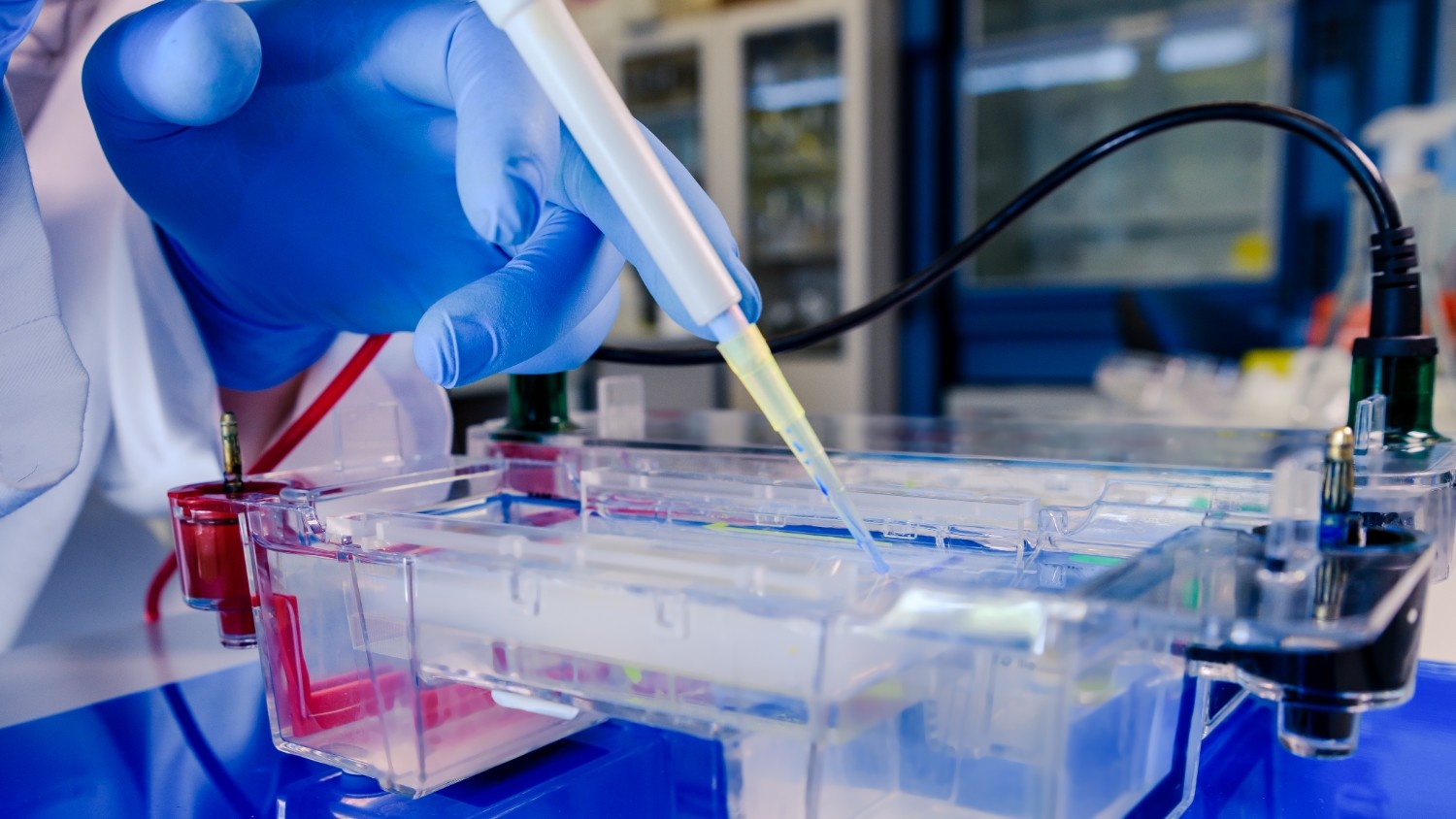
SDS PAGE (Sodium Dodecyl Sulfate Polyacrylamide Gel Electrophoresis) separates proteins based on their molecular weight. When you treat your protein sample with SDS, it denatures the protein and applies a uniform negative charge. This ensures separation is primarily size-based.
As the proteins migrate through the gel:
- Larger proteins move slower
- Smaller proteins move faster
You end up with a banding pattern that reflects the composition of your sample. This pattern becomes your baseline for detecting degradation.
Detecting Degradation Through Band Patterns
When your protein is intact, you typically see a single, sharp band at the expected molecular weight. But when degradation occurs, the pattern changes—and that’s where SDS PAGE becomes invaluable.
Here’s what you should look for:
Appearance of Lower Molecular Weight Bands
Degradation often results in smaller fragments. On your gel, this shows up as additional bands below your main protein band. These fragments indicate proteolytic cleavage or chemical breakdown.
Smearing Instead of Sharp Bands
If your sample appears smeared rather than forming distinct bands, it suggests heterogeneous degradation. This can happen due to prolonged storage, improper handling, or repeated freeze-thaw cycles.
Reduced Intensity of the Main Band
A decrease in the intensity of your primary band often means your intact protein is breaking down. The lost intensity usually corresponds to the formation of smaller fragments.
Unexpected High Molecular Weight Bands
Sometimes degradation leads to aggregation rather than fragmentation. This appears as bands above the expected molecular weight, indicating cross-linking or improper folding.
Making SDS PAGE Work for You
To accurately detect degradation, you need consistency and attention to detail in your workflow.
Standardize Your Sample Preparation
Always treat samples under the same conditions. Variations in buffer composition, heating time, or loading concentration can affect your results.
Run Controls Alongside Your Samples
Include a fresh or known intact sample as a control. This gives you a clear comparison point and helps you identify even subtle degradation.
Optimize Gel Percentage
Choose the appropriate gel concentration for your protein size. A poorly selected gel may hide degradation fragments or distort your interpretation.
Use Proper Storage Conditions
Prevent degradation before it even happens. Store proteins at recommended temperatures and avoid repeated freeze-thaw cycles.
When You Need More Precision
While SDS PAGE is excellent for visual detection, you may need more detailed insights for critical applications. This is where professional lab services can support your work.
If you want high-resolution analysis and expert interpretation, consider using advanced SDS Page Electrophoresis for protein degradation analysis. This approach helps you detect even minor degradation products with greater clarity and confidence.
Working with specialists like Kendrick Labs, Inc protein analysis experts ensures your results are accurate, reproducible, and aligned with industry standards.
Common Causes of Protein Degradation You Should Watch
Understanding the root cause helps you prevent future issues. The most common factors include:
Protease activity: Enzymes that cleave proteins during or after extraction
Temperature fluctuations: Heat accelerates chemical breakdown
pH instability: Extreme pH conditions can denature proteins
Oxidation: Exposure to air or reactive chemicals damages structure
Mechanical stress: Vigorous mixing or pipetting can destabilize proteins
By combining prevention strategies with SDS PAGE monitoring, you gain full control over protein integrity.
Turning Detection Into Action
Once you detect degradation, don’t stop there. Use your findings to improve your process.
- Adjust storage protocols
- Add protease inhibitors
- Optimize buffer conditions
- Reduce handling time
- Validate new batches before use
SDS PAGE is not just a diagnostic tool—it’s a decision-making tool that helps you refine your workflow and maintain quality.
Why Consistent Monitoring Matters
You might think one analysis is enough, but degradation can occur at any stage—during preparation, storage, or transport. Regular monitoring ensures you catch changes early.
By integrating SDS PAGE into your routine workflow, you:
- Protect your research integrity
- Ensure product consistency
- Avoid costly failures
- Improve long-term reliability
Get Expert Help When Needed
If your project demands precise degradation analysis, don’t hesitate to seek professional support. You can contact us today for expert SDS PAGE degradation testing support and get tailored insights for your specific samples.
FAQs About SDS Page Electrophoresis and Degradation
How does SDS PAGE detect protein degradation?
SDS PAGE detects degradation by separating protein fragments based on size. Degraded proteins produce additional bands or smears compared to intact samples.
What does a smear indicate in SDS PAGE?
A smear typically indicates extensive or uneven degradation, where proteins break down into multiple fragment sizes rather than distinct bands.
Can SDS PAGE detect minor degradation?
Yes, SDS PAGE can reveal minor degradation through faint additional bands or slight changes in band intensity, especially when compared to a control sample.
How can you prevent protein degradation before analysis?
You can prevent degradation by using protease inhibitors, maintaining low temperatures, avoiding repeated freeze-thaw cycles, and optimizing buffer conditions.
Is SDS PAGE enough for full degradation analysis?
SDS PAGE is excellent for initial detection, but combining it with advanced analytical methods provides deeper insights for critical applications.