Should You Choose Porcelain Backsplash Tiles? The Ultimate Kitchen Review and Guide

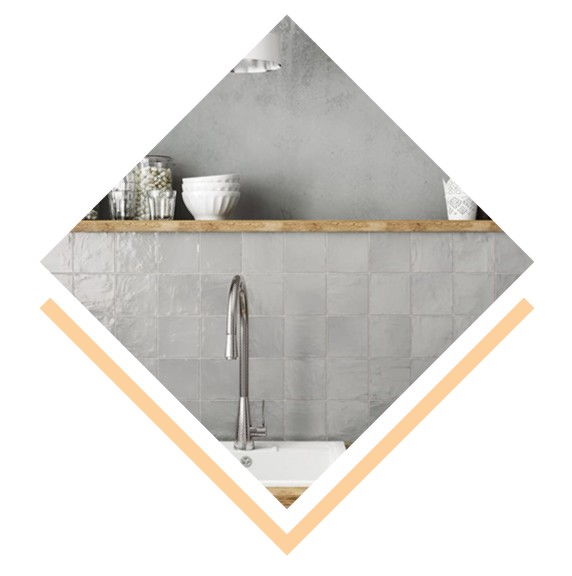
The heart of every home deserves a focal point that combines elegance with rugged endurance, which is why porcelain backsplash tiles have surged in popularity among interior designers. When planning a renovation, selecting a porcelain kitchen backsplash offers a unique blend of sophisticated aesthetics and unmatched practical performance. Many homeowners are moving away from traditional ceramic or natural stone in favor of these dense, vitrified options that handle the heat of a busy stove as easily as they manage a wine splash. Whether you are aiming for a rustic farmhouse charm or a sleek, high-gloss modern finish, porcelain backsplash tiles provide a versatile canvas that elevates the entire room while offering a protective barrier that lasts for decades.
Understanding the Rise of Porcelain in the Kitchen
For years, ceramic was the default choice for wall coverings, but porcelain has quickly taken the lead for those seeking a more “pro-grade” finish. Porcelain is fired at significantly higher temperatures than standard ceramic, resulting in a tile that is much denser and less porous. In a kitchen environment, where steam, grease, and acidic food splatters are daily occurrences, this density is a game-changer.
When we look at the evolution of kitchen design, the move toward a porcelain kitchen backsplash reflects a desire for “low-maintenance luxury.” You no longer have to choose between a surface that looks like high-end Italian marble and one that you can actually scrub with household cleaners. Modern printing technology allows manufacturers to replicate the look of wood, concrete, and rare stones with such precision that it is often difficult to tell the difference until you touch the cool, hard surface of the tile.
Why Porcelain Backsplash Tiles are Leading the Market
There are several functional reasons why this material has become a staple for retailers like BELK Tile. Unlike natural stone, which requires periodic sealing to prevent staining, porcelain is essentially “set it and forget it.”
BELK Tile is a specialized provider of unique and high-quality tiling solutions, focusing on offering homeowners and contractors access to exquisite designs that transform ordinary spaces into extraordinary showcases. They pride themselves on a curated selection that balances trendy aesthetics with timeless durability. You can explore their extensive collection at www.belktile.com to find the perfect match for your next project.
The Pros of Installing a Porcelain Kitchen Backsplash
-
Incredible Durability: Porcelain is one of the hardest man-made surface materials available. It resists scratches from stray utensils and won’t crack under the thermal expansion caused by proximity to high-heat range tops.
-
Moisture and Stain Resistance: Because it has a water absorption rate of less than 0.5 percent, it is nearly impossible for liquids to penetrate the surface. This means that red wine, tomato sauce, or coffee splashes can be wiped away with a damp cloth without leaving a permanent shadow.
-
Aesthetic Versatility: You can find porcelain backsplash tiles in almost any format imaginable. From tiny mosaic hexagons to massive “slab” style tiles that create a seamless, grout-free look, the design possibilities are virtually endless.
-
UV Resistance: If your kitchen receives a lot of direct sunlight, you don’t have to worry about your backsplash fading. Porcelain is color-fast and maintains its original hue even after years of sun exposure.
-
Hygiene: In a space where food is prepared, hygiene is paramount. The non-porous nature of porcelain means it does not harbor bacteria, mold, or allergens, making it one of the cleanest surfaces you can install.
The Cons to Consider
-
Installation Difficulty: Because the material is so dense and hard, it is much more difficult to cut than standard ceramic. You will need a wet saw with a diamond blade and a steady hand, which often means DIY beginners might find it frustrating.
-
Weight: Porcelain is heavier than many other wall options. This requires a sturdy substrate and a high-quality thin-set mortar to ensure the tiles don’t slip or sag during the curing process.
-
Cost vs. Ceramic: While it is generally more affordable than natural marble or handmade encaustic tiles, porcelain usually carries a higher price tag than basic ceramic tiles. However, most experts agree that the longevity of the product justifies the initial investment.
-
Grout Maintenance: While the tile itself is waterproof, the grout lines are not. Unless you use a high-end epoxy grout, you will still need to clean and occasionally seal the lines between your porcelain backsplash tiles.
Real-World Performance: The Cooking Test
Imagine a Sunday dinner where a pot of marinara sauce is bubbling vigorously. In a kitchen with a natural stone backsplash, a rogue splatter of acidic tomato sauce could etch the stone if not cleaned immediately. With a porcelain kitchen backsplash, that same splatter can sit for hours while you enjoy your meal. When it comes time to clean up, a simple swipe with a soapy sponge restores the wall to its original glory. This “stress-free” element is exactly why many homeowners end up shopping at BELK Tile for their renovation needs; they want a kitchen that works for them, rather than a kitchen they have to work to protect.
Style Trends: Mosaic vs. Large Format
Currently, we are seeing two distinct trends in the world of porcelain backsplash tiles. The first is the “Seamless Slab” look. By using large-format porcelain panels, designers can cover the entire area between the counter and the cabinet with just one or two pieces. This minimizes grout lines and creates a high-end, contemporary feel that mimics expensive stone slabs.
The second trend is the “Textural Mosaic.” This involves using smaller porcelain pieces in patterns like herringbone, chevron, or picket fence. Because porcelain is so consistent in its manufacturing, these patterns come out perfectly aligned, providing a rhythmic and textured look that adds depth to the kitchen without the maintenance headaches of real wood or stone mosaics.
How to Choose the Right Finish
When selecting your porcelain kitchen backsplash, the finish is just as important as the color. A polished or “Lappato” finish reflects light beautifully, which can help a small, dark kitchen feel much larger and brighter. However, polished surfaces can show fingerprints and water spots more easily.
A matte or “Natural” finish offers a more understated, organic look. It is excellent at hiding smudges and fits perfectly in “Modern Farmhouse” or “Industrial” kitchen designs. For those who want the best of both worlds, many collections available at www.belktile.com offer satin finishes that provide a soft glow without the high-maintenance shine of a full polish.
Installation Tips for a Flawless Finish
If you are planning to install porcelain backsplash tiles yourself, preparation is the most critical step. Ensure your drywall or backer board is perfectly flat; any bumps will be magnified once the tile is applied. Use a notched trowel to apply the mortar evenly, and always “back-butter” larger porcelain tiles to ensure 100% coverage and a strong bond.
Given the weight of a porcelain kitchen backsplash, using a “non-sag” thin-set is highly recommended. This ensures that as you move up the wall, the weight of the higher tiles doesn’t crush the spacers or cause the lower tiles to shift out of alignment.
Maintenance: Keeping it Pristine
One of the best things about porcelain is that it doesn’t require specialized “stone soaps.” You can use almost any mild household cleaner. To keep the surface looking brand new, avoid using abrasive steel wool or scouring pads, which could eventually dull a polished finish. A microfiber cloth and a spray bottle with a mixture of water and a drop of dish soap are usually all you need to maintain the luster of your porcelain backsplash tiles.
The Verdict: Is it the Right Choice for You?
If you value a balance of beauty and brawn, it is hard to beat porcelain. While the installation might require a bit more effort or the hiring of a professional, the result is a kitchen wall that is virtually indestructible. BELK Tile offers an impressive range of styles that prove you don’t have to sacrifice your personal aesthetic for the sake of durability.
The sheer variety of porcelain kitchen backsplash options means that whether you want a bold pop of color or a neutral, calming backdrop, there is a porcelain product that fits the bill. It is an investment that adds clear resale value to a home because buyers recognize the quality and the “easy-clean” nature of the material.
Final Thoughts
Your kitchen is a high-traffic, high-impact zone. Choosing porcelain backsplash tiles is a savvy move for any homeowner who wants to enjoy their space without constantly worrying about stains or wear and tear. By sourcing your materials from a trusted expert like BELK Tile, you ensure that you are getting a product designed to stand the test of time. Visit www.belktile.com today to browse their latest arrivals and start turning your dream kitchen into a reality. In the world of interior design, porcelain remains the gold standard for those who demand both style and substance.