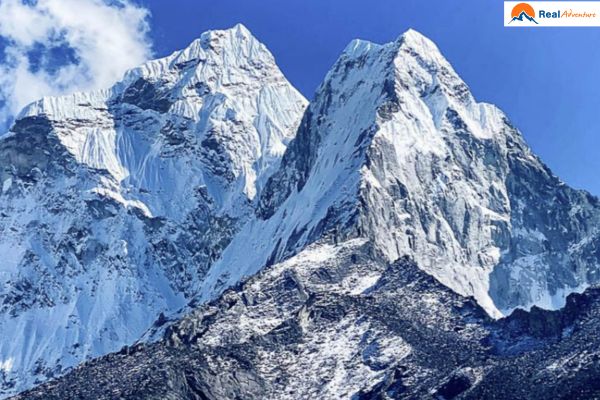
Trekking to Everest Base Camp (EBC) is a dream for many adventure seekers. The allure of standing at the foot of the world’s highest peak, Mount Everest, and experiencing the majestic Himalayan landscapes is irresistible. However, choosing the right time to embark on this journey can make all the difference between a challenging trek and a life-changing experience. In this guide, we’ll explore the best times to trek to Everest Base Camp and provide a 14-day itinerary based on the different seasons. Whether you’re planning to visit in spring, autumn, or winter, we’ll help you plan a safe, comfortable, and unforgettable trek to EBC with Real Adventure, a trusted trekking agency.
Why the Best Time Matters for Everest Base Camp Trek
The weather and conditions in the Everest region vary throughout the year. Trekking in the wrong season can lead to harsh conditions, delays, and even danger. To ensure the best experience, you need to carefully plan your trek during the most suitable seasons, ensuring favorable weather, clear views, and manageable trekking conditions.
The trekking season affects the following factors:
- Weather and temperature: This influences your comfort, clothing requirements, and risk of altitude sickness.
- Crowds: Some seasons attract more trekkers than others. Knowing when to go can help avoid overcrowding.
- Trekking conditions: Some months may have more snow, rain, or clear skies.
Best Seasons to Trek to Everest Base Camp
The best times to trek to Everest Base Camp are during the pre-monsoon (spring) and post-monsoon (autumn) seasons. These periods offer clear skies, stable weather, and moderate temperatures—ideal for trekking.
1. Spring (March to May)
Spring is one of the most popular times to trek to Everest Base Camp, as it offers pleasant weather, clear skies, and breathtaking views. During this time, temperatures are moderate, and the weather is relatively stable, making it ideal for trekking.
- Weather: Spring offers a moderate climate with temperatures ranging from -5°C (23°F) at night to 15°C (59°F) during the day at Everest Base Camp. Higher altitudes can get colder, especially at night, but the days are generally sunny and pleasant.
- Crowds: Spring is a peak trekking season, meaning there will be more trekkers on the trail, but it’s not overcrowded. The camaraderie and shared experience with fellow trekkers add to the journey.
- Flora and Fauna: Spring is the season when the rhododendrons, orchids, and other wildflowers bloom, painting the trekking route with vibrant colors. You may also see wildlife such as the Himalayan tahr, musk deer, and various bird species.
Spring Itinerary (14 Days):
- Day 1: Arrival in Kathmandu
- Day 2: Kathmandu sightseeing and preparation
- Day 3: Fly to Lukla and trek to Phakding
- Day 4: Trek to Namche Bazaar
- Day 5: Acclimatization day at Namche Bazaar
- Day 6: Trek to Tengboche
- Day 7: Trek to Dingboche
- Day 8: Acclimatization day at Dingboche
- Day 9: Trek to Lobuche
- Day 10: Trek to Everest Base Camp and return to Gorak Shep
- Day 11: Hike to Kala Patthar and trek down to Pheriche
- Day 12: Trek to Namche Bazaar
- Day 13: Trek to Lukla
- Day 14: Fly back to Kathmandu
2. Autumn (September to November)
Autumn is another peak season for trekking to Everest Base Camp. The weather is similar to spring, with clear skies, moderate temperatures, and little rainfall. Autumn offers perfect trekking conditions, along with the added bonus of fewer trekkers compared to spring.
- Weather: In autumn, temperatures are slightly cooler than in spring, ranging from -5°C (23°F) at night to 15°C (59°F) during the day at Everest Base Camp. The days are sunny and crisp, and the nights can be cold, especially at higher altitudes.
- Crowds: While autumn sees many trekkers on the trail, it is still less crowded than spring. The fewer crowds can offer a more peaceful and serene trekking experience.
- Views: Autumn offers clear skies and incredible views of the surrounding peaks, including Everest, Lhotse, and Nuptse, with fewer clouds and better visibility.
Autumn Itinerary (14 Days):
- Day 1: Arrival in Kathmandu
- Day 2: Kathmandu sightseeing and preparation
- Day 3: Fly to Lukla and trek to Phakding
- Day 4: Trek to Namche Bazaar
- Day 5: Acclimatization day at Namche Bazaar
- Day 6: Trek to Tengboche
- Day 7: Trek to Dingboche
- Day 8: Acclimatization day at Dingboche
- Day 9: Trek to Lobuche
- Day 10: Trek to Everest Base Camp and return to Gorak Shep
- Day 11: Hike to Kala Patthar and trek down to Pheriche
- Day 12: Trek to Namche Bazaar
- Day 13: Trek to Lukla
- Day 14: Fly back to Kathmandu
Other Seasons for Trekking to Everest Base Camp
While spring and autumn are the best seasons for trekking to Everest Base Camp, some trekkers opt for trekking during winter or the monsoon. However, these seasons come with certain challenges.
3. Winter (December to February)
Winter is considered the off-season for trekking to Everest Base Camp, and for good reason. The temperatures at higher altitudes can be extremely cold, with freezing temperatures at night and the risk of snowstorms.
- Weather: Winter temperatures can plummet to -20°C (-4°F) or lower at Everest Base Camp. Days are generally cold, and the region sees heavy snowfall, especially in January and February.
- Crowds: Very few trekkers visit during the winter months, which means you’ll enjoy a quieter trek and less crowded teahouses and trails. However, snow-covered trails and icy conditions can be challenging.
- Preparation: Winter trekking requires proper clothing, including a down jacket, thermals, and accessories like gloves, hats, and scarves. You also need to be prepared for limited tea house availability and remote conditions.
Winter Itinerary (14 Days):
- Similar to the spring and autumn itineraries, but extra time may be required for acclimatization due to harsh weather conditions. Travel with a reliable trekking company like Real Adventure for safety and comfort.
4. Monsoon (June to August)
The monsoon season is the least ideal time to trek to Everest Base Camp. The region experiences heavy rainfall, which leads to slippery trails, landslides, and poor visibility. Trekking in the monsoon can also increase the risk of altitude sickness due to the high humidity.
- Weather: Heavy rain, increased humidity, and wet conditions make trekking in the monsoon challenging. Trails become slippery and muddy, and there are fewer clear days.
- Crowds: The monsoon sees the least number of trekkers, as the conditions are not ideal for trekking. However, fewer trekkers mean a more secluded experience.
- Challenges: Trekking during the monsoon requires more preparation and care, as trails are difficult to navigate. It’s important to have proper waterproof gear and good footwear to handle slippery conditions.
Monsoon Itinerary (14 Days):
- For those willing to trek in the monsoon, it is advisable to focus on lower-altitude treks, as higher altitudes can be dangerous in the rainy season. Ensure you are trekking with a reliable agency like Real Adventure to handle any potential risks and challenges.
Why Choose Real Adventure for Your Everest Base Camp Trek
Real Adventure is one of the most reliable trekking agencies offering customized itineraries for the Everest Base Camp trek. Whether you’re trekking in spring, autumn, or winter, they ensure that your trek is safe, comfortable, and well-organized. Their experienced guides provide expert knowledge about the region’s climate, terrain, and cultural significance, so you can focus on the adventure while they handle the details.
Conclusion
The best time to trek to Everest Base Camp depends on your preferences and the kind of experience you’re looking for. Spring and autumn offer the best trekking conditions with moderate temperatures, clear skies, and incredible views. Winter and monsoon seasons present their own challenges but can offer a more secluded trek.
No matter the season you choose, it’s important to prepare well for the conditions you’ll face. With Real Adventure as your trekking partner, you’ll have the support and expertise you need to make your Everest Base Camp trek an unforgettable adventure. From expert guides to comprehensive itineraries, they ensure that your journey to the foot of Mount Everest is safe, enjoyable, and full of memories.
Read More: Altitude Sickness on EBC Trek
https://fillyourarticles.com/how-to-beat-altitude-sickness-on-the-everest-base-camp-trek/