

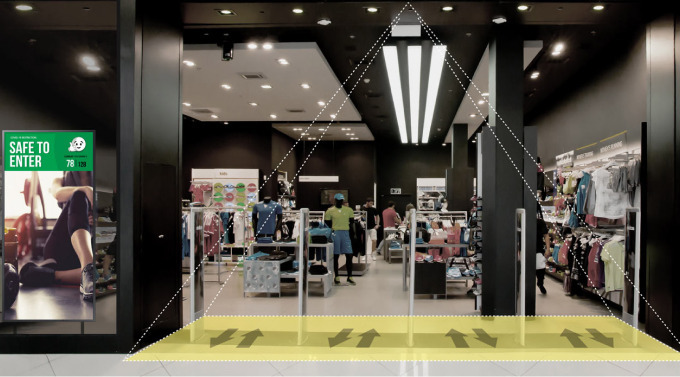
In the dynamic landscape of retail and business, understanding and optimizing customer behavior is crucial for sustainable growth. Footfall counting software has emerged as a powerful tool to gain valuable insights into customer traffic within physical spaces. This technology goes beyond mere headcounts; it provides businesses with a wealth of data that can be leveraged to enhance operational efficiency, customer experience, and ultimately drive growth.
Here are the top benefits of footfall counting software and how its implementation can positively impact various facets of your business:
Accurate Visitor Metrics:
Footfall counting software employs advanced sensor technologies such as infrared sensors, cameras, or Wi-Fi tracking to accurately measure the number of people entering and exiting a physical location. This precision in data collection eliminates the inaccuracies associated with manual counting methods, providing businesses with reliable metrics for decision-making.
Optimizing Staffing Levels:
By understanding peak hours and periods of low foot traffic, businesses can optimize staffing levels to match customer demand. This not only ensures efficient resource allocation but also helps in minimizing labor costs during slower periods and preventing understaffing during busy hours, thereby improving overall operational efficiency.
Enhancing Customer Experience:
Footfall counting software enables businesses to analyze customer behavior patterns, such as popular store sections and dwell times. Armed with this information, businesses can strategically position products, optimize store layouts, and create personalized shopping experiences. This heightened customer experience can foster brand loyalty and positively impact customer satisfaction.
Store Performance Analysis:
Beyond simply counting footfall, this software provides comprehensive insights into store performance. Retailers can analyze conversion rates, understand the effectiveness of marketing campaigns, and evaluate the impact of promotional activities. These analytics empower businesses to make informed decisions about marketing strategies and product placements, ultimately driving sales.
Queue Management:
Footfall counting software helps businesses identify bottlenecks and areas with high customer congestion. Armed with this information, businesses can implement effective queue management strategies, such as opening additional checkout lanes during peak hours or adjusting the layout to reduce wait times. This not only improves customer satisfaction but also optimizes the overall shopping experience.
Data-Driven Decision Making:
The data generated by footfall counting software serves as a foundation for data-driven decision-making. Businesses can analyze trends, track performance over time, and identify areas for improvement. This proactive approach to decision-making ensures that strategies are based on real-time, actionable insights, leading to more effective and targeted business operations.
Security and Safety:
Footfall counting software can contribute to the overall security of a physical space. By monitoring the number of people within a facility, businesses can ensure compliance with safety regulations and prevent overcrowding. This is particularly crucial in times of emergencies, where quick and informed decisions can make a significant difference.
Benchmarking and Goal Setting:
The software allows businesses to set benchmarks for foot traffic and other key performance indicators. By comparing current performance against these benchmarks, businesses can gauge their success and identify areas for improvement. This data-driven approach to benchmarking facilitates goal setting and helps businesses track progress toward achieving their objectives.
Integration with Other Systems:
Many footfall counting software solutions are designed to seamlessly integrate with other business systems, such as customer relationship management (CRM) and point-of-sale (POS) systems. This integration streamlines data management and ensures a cohesive approach to business operations, fostering a holistic view of customer interactions and transactions.
Competitive Advantage:
Implementing footfall counting software provides businesses with a competitive edge in a crowded market. The ability to harness real-time data and respond swiftly to changing customer behaviors positions a business as agile and customer-centric. This adaptability is key to staying ahead of the competition and thriving in the ever-evolving business landscape.
Conclusion:
The adoption of footfall counting software is a strategic investment that goes beyond simple visitor tracking. The multifaceted benefits, ranging from accurate visitor metrics and optimized staffing levels to enhanced customer experiences and data-driven decision-making, position this technology as a catalyst for business growth. As the business landscape continues to evolve, leveraging the power of footfall counting software can be a decisive factor in achieving and sustaining success in the competitive market.


