When you hire contractors, you often provide them with keys or other access credentials so they can complete their work without disrupting daily business operations. However, what happens when the project ends, the contractor relationship changes, or you decide to work with someone else?
If you are unsure whether all keys have been returned or whether copies were made, your business could face an unnecessary security risk. Even when a contractor has been trustworthy, you may not know who else had access to the keys during the project.
For Denver business owners, property managers, and facility supervisors, knowing when to rekey commercial locks is an important part of maintaining access control. Working with APEX Locksmith Denver can help you restore control over your property’s physical security and ensure former contractors cannot use previously issued keys.
Why Contractor Changes Create Business Security Risks
[Image Suggestions: Commercial contractor handing over an office key to a property manager, showing a professional key handover process.]
Contractors may need access to different parts of your property, including offices, storage rooms, equipment areas, maintenance entrances, and supply rooms. Depending on the project, they may receive keys for several doors rather than just one entrance.
When their work ends, returning the original keys does not automatically guarantee your property is secure.
Consider these possible situations:
- Duplicate keys: You may not know whether additional copies were made during the project.
- Subcontractor access: The primary contractor may have shared keys with temporary workers or subcontractors.
- Unreturned keys: A contractor may forget to return a key or claim that it has been misplaced.
- Unclear access records: Your business may not have a complete record of everyone who received a key.
- Changing working relationships: A disagreement or unexpected contract termination can make access control more urgent.
These situations do not necessarily mean someone intends to access your property without permission. However, they create uncertainty that responsible business owners should address.
When Should You Rekey Locks After Changing Contractors?
There is no single timeline that applies to every business. The right time depends on the contractor’s previous access, the type of work performed, and your confidence in the existing key control process.
Here are five situations when rekeying deserves immediate consideration.
1. When a Contractor Does Not Return All Keys
If a contractor leaves without returning every issued key, you should consider rekeying the affected locks promptly.
Even one missing key can create a security concern, especially if it provides access to sensitive offices, inventory rooms, or restricted business areas.
Rather than assuming the key will eventually turn up, identify which doors it can operate and arrange an appropriate security assessment.
2. When You Are Unsure About Duplicate Keys
Some contractors work with multiple employees and subcontractors. During a project, keys may be shared among authorized workers.
If you cannot confirm how many copies exist or who currently possesses them, rekeying can restore control over the affected doors.
A professional Locksmith Denver service can inspect the existing hardware and determine which locks need attention.
3. When You Terminate a Contract Unexpectedly
Not every contractor relationship ends according to plan. Disagreements, incomplete work, payment disputes, or changes in business requirements can result in an unexpected termination.
If the relationship ends under difficult circumstances, do not wait for a security problem to occur.
Review the contractor’s access permissions and arrange rekeying when there is uncertainty about continued key access.
4. When Contractors Had Access to Restricted Areas
A contractor who previously accessed a general maintenance area may not need access to your entire facility.
However, if they were issued keys that also operate executive offices, server rooms, financial departments, or inventory storage areas, your business should reassess those locks.
Rekeying affected cylinders can help establish a more appropriate access arrangement.
5. When Your Business Changes Service Providers
Changing cleaning companies, maintenance teams, IT contractors, construction professionals, or security vendors can introduce new access management requirements.
Whenever one service provider is replaced by another, review the keys and credentials issued to the previous provider.
You should complete this review before granting the new contractor access whenever practical.
Should You Rekey or Replace Your Commercial Locks?
Rekeying and lock replacement both improve access security, but they serve different purposes.
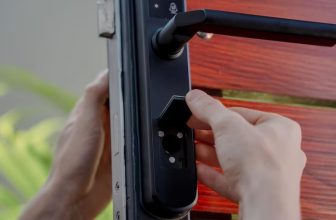
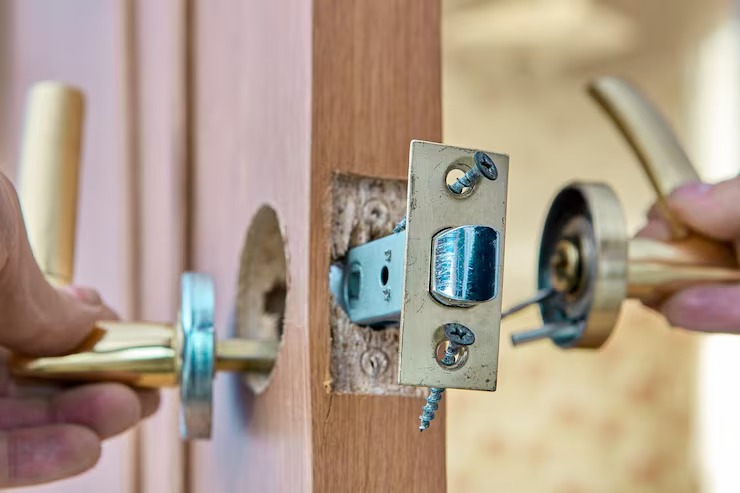
Rekeying changes the internal configuration of an existing compatible lock so previously issued keys no longer operate it. The lock hardware remains in place, but you receive a new set of working keys.
Lock replacement involves removing the existing hardware and installing a different lock.
Here is how to decide:
| Situation | Recommended solution |
| Contractor did not return keys | Rekey affected locks |
| Duplicate keys may exist | Rekey affected locks |
| Existing lock works properly | Consider rekeying |
| Lock is damaged or worn | Consider replacement |
| You need stronger security hardware | Consider upgrading |
| Existing access system needs redesign | Professional security assessment |
For many businesses, rekeying is a practical option when the existing hardware remains in good condition.
However, if your locks are damaged, outdated, or unsuitable for your security requirements, replacement may provide a better long-term solution.
Explore the commercial locksmith services for Denver businesses offered by APEX Locksmith Denver to understand the available options.
How to Prepare Your Business Before Rekeying
Before scheduling a locksmith, take a few steps to make the process easier and more effective.
- Identify affected doors: Make a list of every entrance, office, storage room, and restricted area the previous contractor could access.
- Collect available keys: Request the return of all keys issued to the contractor and document which ones are missing.
- Review access permissions: Determine whether subcontractors, temporary workers, or other third parties received additional keys.
- Prioritize sensitive areas: Give particular attention to server rooms, financial offices, inventory storage, and other areas containing valuable assets.
- Update your key records: Maintain a new record showing who receives replacement keys and which doors those keys operate.
These steps help your locksmith understand the property’s requirements and reduce unnecessary disruption during the rekeying process.
How a Professional Locksmith Denver Service Helps
Commercial rekeying requires more than simply changing a key. You need to understand how different locks work together and how access should be distributed throughout your property.
A professional locksmith can inspect your existing locks, identify the affected cylinders, and recommend a suitable rekeying or replacement solution.
With APEX Locksmith Denver, businesses can receive assistance with commercial lock services, rekeying, lock repairs, high-security hardware, and access control solutions.
If your facility uses multiple doors, a master key arrangement may also help organize access for managers, employees, and maintenance personnel without giving everyone unrestricted entry.
For businesses considering more advanced access management, commercial office access control solutions can offer additional flexibility through electronic credentials and assigned access permissions.
Whether you operate a retail store, office, warehouse, medical facility, or commercial property in Denver, reviewing your physical security after contractor changes can help prevent avoidable access problems.
Build a Better Key Management Process for Future Contractors
Rekeying addresses an existing access concern, but better key management can help prevent similar situations in the future.
Consider introducing these practices:
- Issue only the keys required for a contractor’s assigned responsibilities.
- Maintain a written record of every key issued and returned.
- Avoid giving unrestricted master keys unless necessary.
- Set clear key-return requirements in contractor agreements.
- Collect keys immediately when a project or contract ends.
- Schedule periodic access reviews for long-term contractors.
- Consider electronic access credentials where appropriate.
You can also establish a standard offboarding checklist for every external service provider. This makes security reviews part of your regular business operations rather than something you remember only after a problem occurs.
Protect Your Business with Timely Commercial Rekeying
Changing contractors is a normal part of running a business, but access security should never be overlooked during the transition.
If keys are missing, duplicates may exist, or you cannot confirm who still has access to your property, rekeying can help restore control without necessarily replacing every lock.
APEX Locksmith Denver provides professional lock and key assistance for businesses throughout Denver and surrounding metro areas. Whether you need to rekey existing locks, address commercial lock concerns, or review your property’s access requirements, getting professional guidance can help you make an informed decision.
Need to secure your business after changing contractors? Contact APEX Locksmith Denver for commercial rekeying assistance and take the next step toward better access control.
Frequently Asked Questions
1. Should I rekey my business locks after a contractor leaves?
Yes, consider rekeying if the contractor had access to important areas and you cannot confirm that all keys were returned or that no duplicates exist.
2. Does rekeying prevent old contractor keys from working?
Yes. Properly rekeying compatible locks changes their internal configuration, making previously issued keys ineffective for those locks.
3. Is rekeying cheaper than replacing commercial locks?
Generally, rekeying is more economical when existing locks are in good condition. Replacement may be necessary when hardware is damaged, outdated, or unsuitable.
4. Should I rekey every business door after changing contractors?
Not necessarily. Focus on doors the contractor could access and evaluate whether other locks share the same key system or master key arrangement.
5. How often should Denver businesses review contractor key access?
Review access whenever a contractor relationship ends, responsibilities change, or keys go missing. Periodic reviews also help maintain better long-term security.