When you evaluate protein samples, you rely on analytical methods to reveal what is really present in the material. Among the most widely used techniques, SDS PAGE electrophoresis remains a trusted tool for separating proteins according to molecular weight. It is simple, cost-effective, and highly useful for assessing protein purity. However, many researchers, manufacturers, and quality control teams discover that a seemingly clean gel does not always tell the complete story.
If you depend solely on SDS PAGE results, you may overlook impurities that could affect product quality, process consistency, or regulatory compliance. Understanding why this happens helps you make better decisions and avoid costly surprises later in development or production.
Understanding the Strength of SDS PAGE Electrophoresis
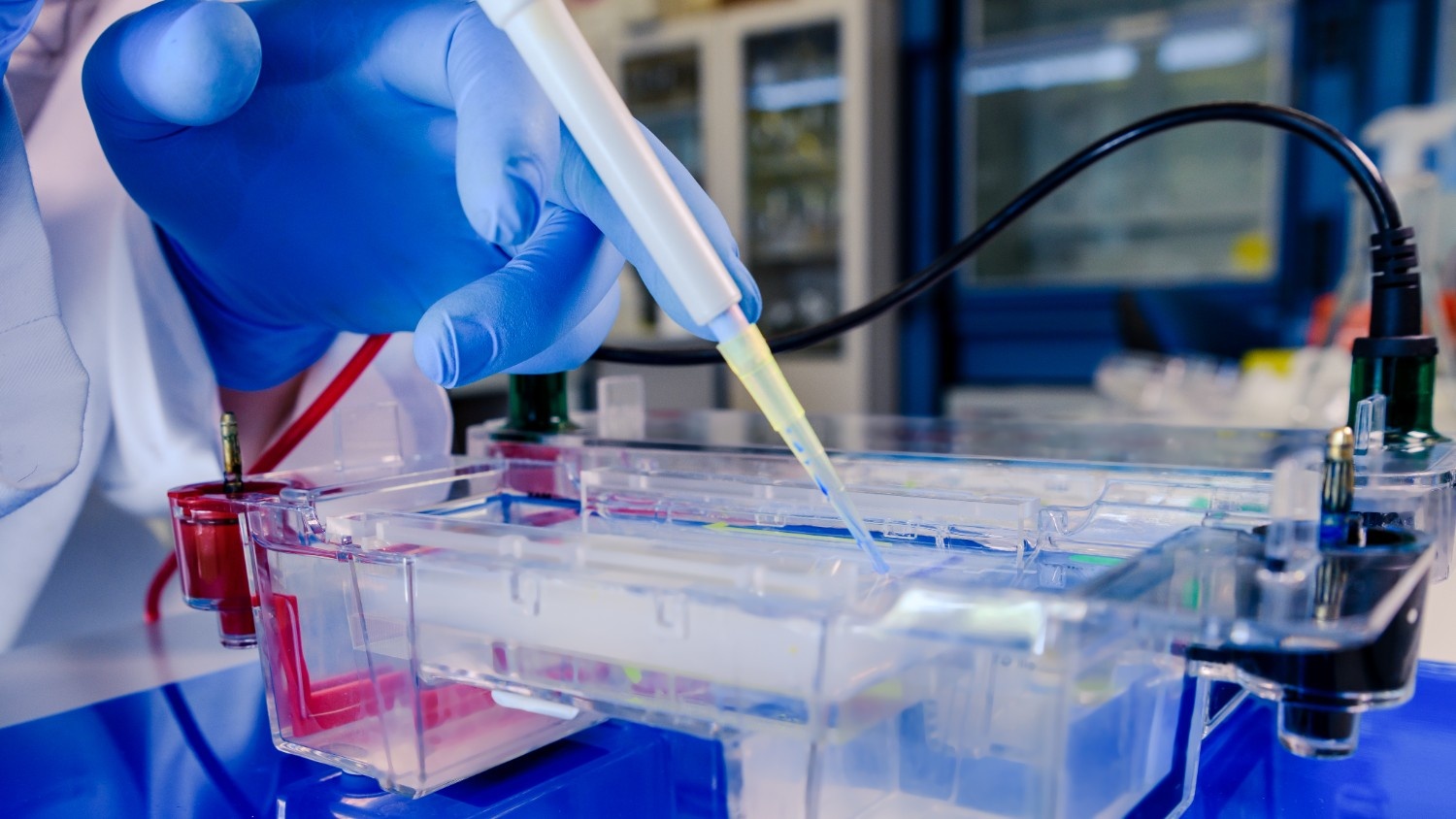
The primary advantage of SDS PAGE electrophoresis is its ability to separate proteins into visible bands. Sodium dodecyl sulfate (SDS) unfolds proteins and gives them a uniform negative charge. When an electric field is applied, proteins migrate through the gel according to size.
This method allows you to:
- Assess protein purity
- Estimate molecular weight
- Compare protein expression levels
- Monitor purification processes
- Detect major contaminants
While these capabilities are valuable, SDS PAGE is not designed to detect every impurity present in a complex sample.
Why Some Impurities Remain Hidden
Low-Abundance Proteins Can Escape Detection
One of the biggest limitations is sensitivity. Many impurities exist at extremely low concentrations compared to the primary protein of interest.
Even when an impurity may have biological significance, it may not produce a visible band on the gel. The dominant protein can easily overshadow smaller contaminants.
As a result, your sample may appear highly pure even though trace impurities remain present.
Proteins with Similar Molecular Weights Co-Migrate
SDS PAGE separates proteins primarily by size. When two proteins have nearly identical molecular weights, they often migrate together and form a single band.
This creates the illusion of purity because multiple proteins may be hidden within one visible band.
Without additional analytical techniques, you may never realize that contaminants are sharing the same position as your target protein.
Non-Protein Impurities Are Invisible
SDS PAGE is designed specifically for proteins.
Many critical impurities fall outside this category, including:
- Residual chemicals
- Salts
- Detergents
- Buffer components
- Process-related contaminants
- Small molecule residues
These substances can affect product performance or stability while remaining completely undetectable on the gel.
Protein Aggregates Can Be Misleading
Protein aggregation is a common issue in biopharmaceutical development and manufacturing.
Some aggregates may remain trapped near the top of the gel, while others may not separate efficiently during electrophoresis. In certain situations, aggregates can distort the appearance of purity and make interpretation difficult.
If aggregation is not carefully investigated, hidden quality risks may go unnoticed.
Post-Translational Modifications Can Mask Variants
Proteins frequently undergo modifications after synthesis, including:
- Phosphorylation
- Glycosylation
- Acetylation
- Oxidation
These modifications may create protein variants with different biological properties. However, many modified proteins display only subtle mobility changes during SDS PAGE analysis.
Consequently, important variants may remain hidden within a single band, making the sample appear more homogeneous than it actually is.
The Challenge of Host Cell Protein Contaminants
Biological production systems often introduce host cell proteins (HCPs) into final products.
These contaminants can:
- Reduce product stability
- Affect efficacy
- Trigger immune responses
- Create regulatory concerns
Many HCPs are present at very low concentrations and may not be visible on standard gels.
This is why advanced analytical approaches are often used alongside SDS PAGE to identify contaminants that could otherwise remain undetected.
Why Multiple Analytical Methods Matter
No single analytical technique provides a complete picture of protein quality.
For comprehensive characterization, you should combine SDS PAGE with complementary methods such as:
- Western blotting
- Mass spectrometry
- Two-dimensional electrophoresis
- HCP analysis
- Protein quantification studies
Combining methods helps reveal impurities that one technique alone may miss.
If your project involves critical research, product development, or quality assurance, using a comprehensive SDS PAGE electrophoresis protein purity assessment service can provide deeper insight into sample composition and potential risks.
How Better Analysis Supports Better Decisions
The goal of protein analysis is not simply to generate a clean gel image. The goal is to understand what is truly present in your sample.
When hidden impurities go undetected, they can create problems such as:
- Failed experiments
- Reduced reproducibility
- Manufacturing inconsistencies
- Regulatory delays
- Product recalls
By recognizing the limitations of SDS PAGE early, you can implement stronger analytical strategies that improve confidence in your results.
Organizations seeking reliable protein characterization often work with experienced laboratories that understand the strengths and limitations of multiple analytical platforms.
Professional providers such as Kendrick Labs, Inc offer specialized protein analysis services that help uncover details that may not be visible through gel electrophoresis alone.
When Should You Look Beyond SDS PAGE?
You should consider additional testing when:
- Product purity is critical
- Regulatory submissions require detailed characterization
- Unexpected biological activity occurs
- Process changes affect product quality
- Trace contaminants could influence outcomes
In these situations, relying solely on SDS PAGE may not provide the level of certainty you need.
Using a comprehensive SDS PAGE electrophoresis impurity detection and protein characterization solution can help identify hidden risks before they become larger problems.
Conclusion
SDS PAGE electrophoresis remains one of the most valuable tools in protein research and quality control. However, it is important to recognize that a clean gel does not always mean a completely pure sample.
Low-abundance proteins, co-migrating contaminants, non-protein impurities, aggregates, and protein variants can all remain hidden from standard analysis. By combining SDS PAGE with complementary analytical techniques, you gain a more accurate understanding of protein composition and product quality.
If you need deeper insight into your samples and want confidence in your analytical results, explore professional SDS PAGE electrophoresis services for advanced impurity identification from Sds Page Electrophoresis specialists. For project-specific guidance and analytical support, Contact us today to discuss your testing requirements.
Frequently Asked Questions
What is SDS PAGE electrophoresis used for?
SDS PAGE electrophoresis is used to separate proteins based on molecular weight, allowing researchers to evaluate protein purity, estimate size, and monitor purification processes.
Why can’t SDS PAGE detect all impurities?
SDS PAGE primarily detects proteins that are present in sufficient quantities and can be separated by size. Low-level contaminants, non-protein impurities, and co-migrating proteins may remain hidden.
Can two proteins appear as one band in SDS PAGE?
Yes. Proteins with similar molecular weights can migrate together and appear as a single band, potentially masking impurities.
Is SDS PAGE enough for biopharmaceutical quality control?
In most cases, no. Biopharmaceutical products often require additional techniques such as mass spectrometry, Western blotting, and HCP analysis for comprehensive characterization.
How can hidden protein impurities be identified?
Combining SDS PAGE with advanced analytical methods provides a more complete understanding of sample composition and helps reveal impurities that standard gel analysis may miss.