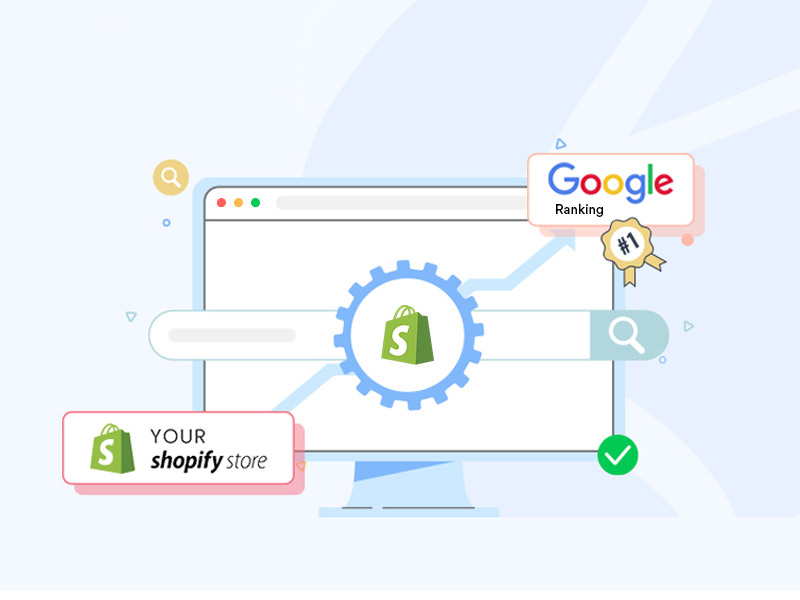
AI search is changing how customers discover products, brands, and online stores. Instead of relying only on traditional search-result rankings, shoppers increasingly interact with AI-generated answers, summaries, recommendations, and conversational search experiences. If you run an e-commerce store, your website needs to be easy for both people and search systems to understand.
That is where technical website development becomes important. Your store structure, content organization, page speed, product information, internal linking, and mobile experience can all influence how clearly search systems interpret your business. Effective Shopify Development helps you build a stronger digital foundation so your store can become more discoverable across modern search environments.
What Is AI Search Visibility?
AI search visibility refers to how easily your website, products, services, and brand can be understood and surfaced by AI-powered search experiences.
Traditional SEO often focuses on ranking web pages for specific queries. AI search goes further by interpreting entities, context, relationships, user intent, product information, reviews, and supporting evidence.
For your Shopify store, this means you should not optimize only for keywords. You should also make your website:
- Easy to crawl
- Easy to understand
- Fast and mobile-friendly
- Structurally organized
- Consistent across pages
- Rich in useful product information
- Connected through logical internal links
A technically strong store gives search engines and AI systems clearer signals about what you offer and who your products serve.
How Shopify Development Supports AI Discovery
You Create a Clear Website Structure
AI systems need context. If your product pages, collections, categories, and informational content are poorly organized, it becomes harder to understand the relationship between them.
You can create logical structures such as:
Homepage → Product Category → Collection → Product → Supporting Content
For example, if you sell running shoes, your store could connect running shoe collections with product pages, sizing information, care guides, and comparison content.
This structure helps users navigate while giving search systems stronger contextual signals.
You Improve Product Data
AI search depends heavily on information. A product page with only a name, price, and generic description provides limited context.
You should include useful details such as:
- Product specifications
- Materials
- Dimensions
- Features
- Use cases
- Compatibility information
- Shipping details
- Frequently asked questions
- Customer reviews
Your goal is to answer the questions customers would naturally ask before making a purchase.
This approach also supports long-tail keyword targeting for Shopify stores, because detailed product information naturally addresses specific search queries.
You Strengthen Semantic Relationships
Semantic SEO focuses on meaning rather than simply repeating keywords.
Suppose you sell eco-friendly skincare. Instead of repeatedly using the phrase “eco-friendly skincare,” you can build a semantic network around ingredients, skin types, packaging, sustainability, product benefits, routines, and usage instructions.
Your Shopify store can connect these concepts through category pages, product descriptions, blogs, FAQs, and internal links.
The result is a website with greater topical depth and clearer relationships between related entities.
Why Page Speed Matters for AI Search
A technically impressive store is not useful if it frustrates visitors.
Large images, unnecessary applications, excessive scripts, poorly optimized themes, and inefficient code can slow down your Shopify website. Poor performance can affect user experience and make your site less competitive.
You should regularly:
- Compress product images
- Remove unnecessary applications
- Reduce excessive scripts
- Optimize theme elements
- Monitor Core Web Vitals
- Test mobile performance
- Keep important content accessible without unnecessary delays
Performance should be treated as part of your SEO strategy rather than as a separate development task.
How Internal Linking Helps AI Understand Your Store
Internal links provide relationships between pages.
Instead of leaving product pages isolated, connect them to relevant collections, buying guides, comparison pages, FAQs, and educational resources.
For example, a page about “waterproof hiking boots” could link to:
- Hiking boot collection
- Waterproof footwear guide
- Boot comparison page
- Related products
- Footwear care guide
These connections help users discover more information while creating a clearer semantic structure for search systems.
Build Content Around Search Intent
AI-powered search is becoming increasingly conversational. Customers may search for complete questions rather than short keywords.
Instead of targeting only:
“Shopify shoes store”
you could create content addressing queries such as:
“How do you choose waterproof hiking shoes for long-distance trekking?”
This is where long-tail Shopify SEO keywords for AI search visibility become valuable.
Create content around informational, commercial, navigational, and transactional intent. Then connect that content to relevant products and collections.
Your objective is not to produce content simply for volume. You should create useful resources that genuinely resolve customer questions.
Strengthen Your Brand Entity
AI systems need to distinguish one business from another. Your brand information should therefore remain consistent across your website and other legitimate online sources.
Keep your:
- Business name
- Description
- Contact details
- Product information
- Brand messaging
- About page
- Policies
consistent and accurate.
For a stronger overall digital foundation, you can explore JDM Web Technologies and its services for businesses seeking a more structured approach to SEO and web development.
Use Shopify Development as an SEO Foundation
Your website development decisions can either support or restrict your SEO efforts.
A properly structured Shopify store can provide:
- Cleaner navigation
- Better crawlability
- Stronger internal linking
- Improved mobile usability
- Faster page performance
- Better product organization
- More useful structured information
This is why professional Shopify Development for AI-ready e-commerce websites should be viewed as more than a design project. It is part of your long-term search visibility strategy.
If your store needs a stronger technical and SEO foundation, you can Contact us today to discuss your requirements.
Practical Steps to Improve AI Search Visibility
You can start with a simple process:
- Audit your Shopify website structure.
- Identify important product and collection relationships.
- Improve thin or incomplete product descriptions.
- Add relevant FAQs to important pages.
- Build contextual internal links.
- Improve page speed and mobile usability.
- Create content around long-tail customer questions.
- Maintain consistent brand information.
- Review duplicate or unnecessary pages.
- Monitor organic traffic, rankings, conversions, and engagement.
Remember that AI search visibility is not created through one technical change. It develops from the combined quality of your website structure, content, relevance, usability, and brand signals.
FAQs
Does Shopify Development directly improve AI search rankings?
Development itself does not guarantee rankings or AI visibility. However, good development can create a technically sound, crawlable, fast, structured, and user-friendly website that supports stronger SEO.
Why are product descriptions important for AI search?
Detailed product descriptions provide context about features, benefits, specifications, applications, and customer needs. This gives search systems more information to understand and associate with your products.
Should you use long-tail keywords on Shopify?
Yes. Long-tail keywords often represent specific customer questions and purchase intentions. Using them naturally across relevant product, collection, and informational content can help you address more precise searches.
How does internal linking support AI visibility?
Internal links connect related pages and help establish relationships between products, categories, and supporting content. A logical internal-linking structure makes your website easier to navigate and understand.
Is technical SEO enough for AI search visibility?
No. Technical SEO is only one part of the process. You also need useful content, strong topical relevance, accurate product information, good user experience, consistent brand signals, and content aligned with search intent.
Final Thoughts
AI search visibility starts with clarity. When your Shopify store has a logical structure, useful product information, strong semantic connections, fast performance, and content that answers real customer questions, you give modern search systems better information to interpret your business.
Your goal should not be to optimize for one AI platform or one algorithm. Build an accurate, useful, technically strong e-commerce experience that can serve customers wherever they search. That foundation can make your Shopify store more understandable, discoverable, and valuable in an increasingly AI-driven search landscape.