Wood is one of the oldest and most valuable materials used by humans. Its versatility has allowed the development of entire industries, from construction to design and infrastructure. Every piece of wood carries a story about nature, strength, and continuity. Choosing the right type of wood can influence the durability, aesthetics, and resistance of a project.
Modern infrastructure combines traditional resources with current technology in an intelligent way. Wood, thanks to its natural properties, continues to be preferred for projects that require stability and strength. At the same time, it is easy to shape and adapt to different needs, maintaining a harmonious connection between people and nature.
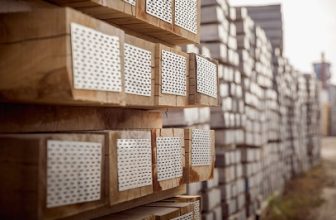
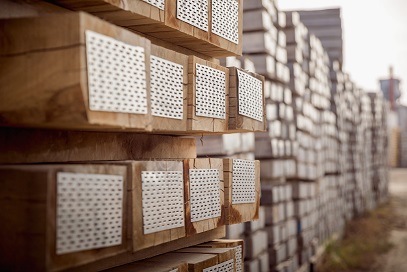
A relevant example of the efficient use of wood is railway sleepers, essential components in supporting railway tracks. They combine the material’s durability with resistance to vibrations and weather conditions, ensuring stability for railway infrastructure. Through proper processing, wood becomes a key element in the operation of modern transport systems.
The role of natural materials in modern infrastructure
Natural materials have regained attention due to their low environmental impact and adaptability. Wood, in particular, is known for its insulating properties and ability to absorb mechanical shocks. This makes it suitable for use in areas where stability and strength are essential. Besides its technical advantages, wood also brings a pleasant visual element, blending naturally into any landscape.
The use of wood in modern infrastructure proves that tradition and innovation can coexist. Through specialized treatments, it becomes resistant to moisture, pests, and temperature variations. These features are crucial for large projects such as bridges, decks, or railway networks. Choosing the right type of wood and processing it properly ensures longevity and safety without compromising aesthetics.
When discussing the advantages of natural materials, we can highlight:
- High resistance to pressure and mechanical stress.
- Reduced environmental impact compared to synthetic materials.
- Natural appearance and seamless visual integration into any environment.
Constructions that combine tradition and innovation
Wood is a living material, capable of adapting to its surroundings while maintaining its properties over time. It is used both in traditional constructions and in modern architectural projects due to its versatility and strength. In contemporary architecture, wood brings balance between functionality and aesthetics, adding warmth and natural charm to any space.
Modern infrastructure requires materials that combine strength and sustainability. Wood, when processed with modern techniques, manages to meet both requirements. It is used in both urban and rural areas, providing practical solutions for a wide variety of needs. In addition, its low maintenance and adaptability make it a safe choice for long-term projects.
Using wood as a building material brings multiple advantages, among which are:
- Wood offers superior thermal and acoustic insulation.
- It is easy to maintain and repair over time.
- It can be recycled and reused without losing its qualities.
- It contributes to reducing the carbon footprint.
- It adds a natural and balanced look to any structure.
Durability and sustainability in large projects
One of wood’s most important advantages is its ability to endure over time. With proper treatment, it can withstand extreme conditions while maintaining its core properties. This is why it is often preferred in large-scale constructions where safety and stability are critical. Wood is a breathable material that retains its shape and helps regulate humidity in the surrounding environment.
Beyond its technical qualities, wood is also an environmentally friendly material. Its processing requires less energy compared to industrial materials. Moreover, sustainable sourcing contributes to the preservation of natural ecosystems. Modern projects that use wood show that performance and environmental responsibility can coexist harmoniously.
Choosing the right wood for a project depends on purpose, environment, and structure type. Combined with other materials, it becomes part of an integrated system that balances efficiency and aesthetics. Thus, wood remains a trusted partner for builders who seek durable and responsible solutions. Its versatility allows architects and designers to create spaces that are both functional and visually harmonious.
The connection between nature and modern development
In today’s context, sustainability is no longer an option but an essential direction. Choosing materials that respect nature means investing in the future. Wood is a clear example of how natural resources can support progress without compromising environmental balance. Every project made with natural materials brings visible benefits for both people and the planet.
Projects that integrate wood intelligently combine performance with ecological responsibility. Whether used for support structures, transport systems, or architectural designs, this material continues to prove its efficiency. With proper processing and adherence to modern standards, wood becomes an essential part of durable infrastructure.
Choosing natural materials for construction and infrastructure reflects both respect for tradition and a commitment to the future. Through its versatility and strength, wood remains a symbol of balance between humanity and nature. Solutions such as railway sleepers demonstrate that innovation and sustainability can work together, building strong bridges between the past and the present.