Advancements in Commercial Vehicle Wash Systems – Efficiency, Sustainability, and Profitability


In the fast-paced world of transportation and logistics, commercial vehicle wash systems play an essential role in maintaining the appearance and functionality of trucks, buses, delivery vans, and other large vehicles. Beyond mere aesthetics, these systems are critical for ensuring vehicle longevity, complying with regulations, and upholding a positive brand image. Over the years, the industry has witnessed significant advancements in technology, sustainability, and efficiency. This article explores the evolution of commercial vehicle wash systems and their impact on the industry.
Efficiency and Automation
One of the most prominent changes in the realm of commercial vehicle wash systems is the increased focus on efficiency and automation. Manual wash processes, once common, are rapidly becoming outdated. Automated systems not only save time but also provide a consistent and thorough cleaning, reducing the risk of missed spots that can lead to corrosion over time. The latest systems employ a combination of sensors, high-pressure nozzles, and robotic arms to precisely clean every nook and cranny of a vehicle. They can adapt to the size and shape of different vehicles, ensuring an efficient and customized cleaning experience. Moreover, these automated systems can handle a high volume of vehicles daily, increasing throughput for commercial operations.
Water Efficiency and Sustainability
Water scarcity is a global concern, and the commercial vehicle wash industry has made commendable efforts to address this issue. Traditional vehicle wash systems often consumed excessive amounts of water, which not only strained resources but also posed environmental challenges. Newer technologies aim to minimize water usage without compromising on the quality of the wash.
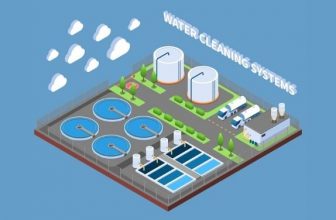
Many modern commercial vehicle wash systems incorporate water recycling mechanisms. They filter and treat the used water, making it suitable for reuse. This not only conserves water but also reduces the discharge of polluted water into the environment. In addition to water conservation, these systems often utilize biodegradable cleaning agents, further minimizing their environmental footprint. Sustainable practices not only resonate with consumers but also offer businesses the opportunity to reduce operating costs, attract eco-conscious clients, and adhere to regulations aimed at minimizing environmental impact. By integrating water recycling and sustainable detergents, companies can demonstrate their commitment to environmental responsibility.
Customization and Versatility
One size does not fit all when it comes to commercial vehicles, and modern wash systems understand this. They offer a wide range of options and customization to cater to different vehicle types, sizes, and cleaning requirements. Whether it’s a fleet of delivery vans, large tractor-trailers, or buses, these systems can be adjusted to suit the needs of the client. Customization also extends to the cleaning process itself. Depending on the level of soiling and the type of vehicle, operators can choose from various wash programs, which may include pre-soak, high-pressure wash, undercarriage wash, and even spot-free rinsing. This flexibility ensures that the vehicle leaves the wash bay in the best possible condition.
Reduced Maintenance Costs
Commercial vehicle owners often underestimate the long-term cost savings associated with using high-quality wash systems. Regular cleaning not only preserves the vehicle’s aesthetic appeal but also extends its lifespan by protecting it from corrosive elements like road salt and pollutants. The financial implications of this extended lifespan are significant, as it reduces maintenance and replacement costs. Furthermore, by automating the wash process, operators can minimize wear and tear on their vehicles. Manual washes sometimes involve abrasive scrubbing, which can harm the vehicle’s surface. Automated systems, on the other hand, use gentle yet effective techniques that do not compromise the vehicle’s integrity.
Improved Safety
Maintaining a clean and well-kept vehicle is not only about appearances but also safety. Dirty or fogged windows, for example, can hinder a driver’s visibility, leading to accidents. Additionally, the build-up of grime on reflective surfaces like lights and license plates can reduce their effectiveness. Modern commercial vehicle wash systems are designed to address these safety concerns. High-pressure nozzles can remove even the toughest grime, ensuring maximum visibility. Clear and reflective surfaces are vital for both the safety of the driver and the safety of others on the road.
The evolution of commercial vehicle wash systems highlights the industry’s commitment to efficiency, sustainability, and profitability. Automated systems have become the standard, offering efficiency and consistency in cleaning. Sustainable practices, such as water recycling and eco-friendly detergents, help protect the environment while appealing to eco-conscious consumers. Customization and versatility ensure that various vehicle types and cleaning needs can be accommodated, while reduced maintenance costs and improved safety further underline the importance of regular vehicle washing. In the rapidly evolving world of transportation and logistics, commercial vehicle wash systems continue to play a pivotal role in ensuring that vehicles are clean, safe, and environmentally responsible. As technology and industry standards continue to advance, we can expect even more innovative solutions to meet the evolving needs of commercial vehicle operators, ultimately benefiting both businesses and the planet.