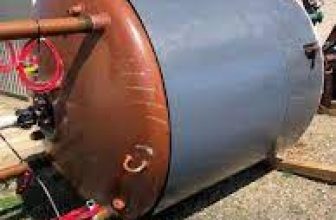
Reactors can perform a variety of reactions and processes. Stainless reactors come in different sizes and capacities. Batch process reactors receive a prescribed recipe of reactants and then carry out the reaction. They are the right choice for industrial settings that produce several chemicals and products. There is growing interest in small nuclear reactors for generating electricity and process heat. They are less expensive and easier to sit than large power plants.
Reactors are a critical part of chemical processing, but they can be expensive to operate. Their energy intake, waste disposal costs, and labor charges can add up quickly. They also require a lot of space to operate. Fortunately, there are several ways to reduce operational expenses. Chemical reactors are used for a wide range of industrial processes, including synthesis, crystallization, and incubation. Specialized reactors are available for a variety of applications. They can be operated in batch or continuous mode, and many can perform multiple functions. Small modular buy reactors use pressurized water for reactor coolant and are a fraction of the size of large nuclear power plants. They are load-following, which makes them an excellent choice for countries with limited electrical grid capacity. They are also designed to be transportable and relocatable.
Reactors come in a variety of sizes and processes. Batch reactors process a specific set of reactants at once, and continuous reactors have a constant flow of ingredients going in and finished product coming out. The type of reactor chosen depends on the application. For example, pharmaceutical production requires batch reactors, while the petrochemical industry uses continuous reactors. Small modular reactors (SMR) are a new design concept that offers lower initial capital investment and scalability. They also require less water for cooling and can be deployed in locations unable to support larger nuclear reactors. In addition, they can be easily maintained and removed if needed. One SMR developed by Babcock & Wilcox is a graphite-moderated HTR that can be factory built and railed to site. It has a typical power density of 35 GWd/t and can be operated for 3-4 years between refuelling. It is designed to have on-board refuelling and used fuel storage, with all assemblies replaced during each refueling cycle.
Stainless steel reactors are suitable for many chemical, organic, and inorganic reactions and processes. They can perform a variety of tasks, including synthetization, crystallization, incubation, and a host of other functions. Specialized reactors are designed to meet the specific conditions required for particular applications. They are also capable of maintaining the proper temperature and pressure through jacketing, which are outer shells that contain cold water, chilled brine, hot oil, steam, or other media.
Small modular reactors are designed to be safer and more flexible than larger nuclear power plants. They are also less dependent on access to cooling water and can be built in remote regions that would otherwise be difficult to build a nuclear plant. For example, This has a design that can be deployed on a barge and produce power for district heating, desalination, oil recovery, and hydrogen production from high-temperature steam electrolysis. It uses graphite-moderated HTR technology adapted from icebreaker designs and can run for up to three years between refuelling. For unbeatable deals on chemical reactors, click here https://surplusrecord.com/machinery-equipment/reactors/ or navigate to our official website.