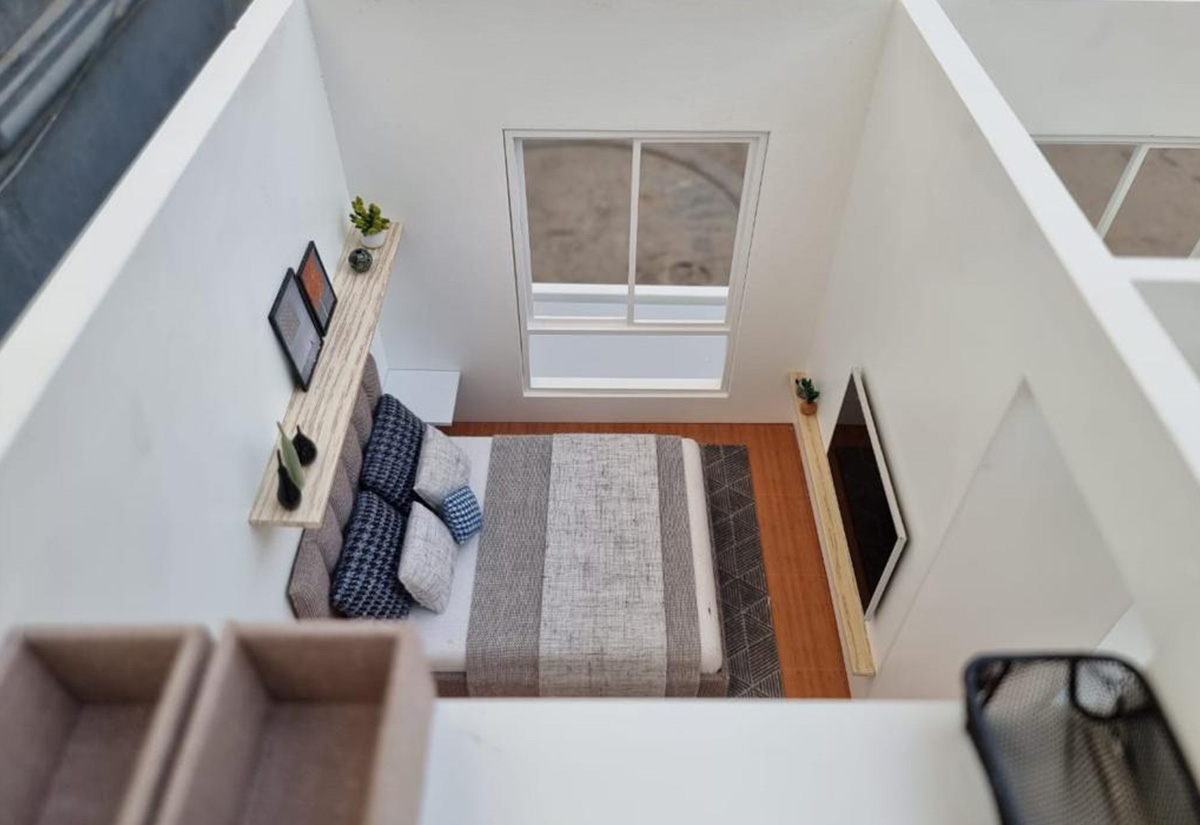
The interior scale model is the process of displaying the inner space of the house, including the furniture, doors, windows, walls, and floor. Making interior models has become a crucial tool for architectural design in recent times. It enables the designers to visualize exactly what things will look like in the real world. Not only is it important for the designers, but it also helps the homebuyers see how the inner space of the house will be used and looked at with proper furniture when the project is ultimately finished. The interior model brings life to the ideas of the designers. The designers can share their ideas easily with potential customers. The designers detect potential issues with designs seamlessly with the help of the interior scale models. Overall, with the advancement of technology and the growing need from the client’s side, the interior model is proving its importance in the modern real estate industry.
The guidelines for making the interior scale model are:
Here are some rules that must be maintained while creating an effective interior scale model:
- Balance is the key metric for developing a visually appealing interior model. “Balance” denotes the distribution of objects in the interior space. The furniture, lighting, and other add-ons play a vital role in developing an eye-catching representation that can match the tastes and needs of the clients. Radial balance, symmetrical balance, and asymmetrical balance are the variants with which designers can present highly creative and effective interior models.
- Rhythm is the way to create a flow of movement in a room by working closely with different patterns and colors through repetition, progression, and transition.
- Contrast is the most commonly used technique in this process. It is the method of using contrasting colors, materials, forms, and textures that can complement each other.
- Emphasis is nothing but setting a focal point in the room. By creating it, the designers can shift the attention of the clients to the special attractions of the property.
Now that we know the rules for making the model, it is time to know the materials and tools to develop it:
The most common materials used for an effective interior scale model are:
- Wood: Wood is considered the most common material for it. It is the first choice of the designers because of its various features. With the rapid popularity of sustainability in real estate, wood is widely accepted to create miniature furniture, doors, windows, tables, and other related components. Moreover, this eco-friendly material is cheaper and gives a realistic look to the project.
- Styrene Plastic: No model is complete without the help of this material. The styrene plastic is easy to cut, so giving shape is easier for the designers. Also, this plastic comes with lightweight features, resulting in a reduction in the weight of the entire project. Styrene plastic is generally used to add finer details to the model.
- Foam board: Next in line is the foam board. This flexible material is preferred by the artists because it is lightweight. Foam board is easy to cut, resulting in different shapes.
- Acrylic: This is a transparent plastic material. This helps to create a glass-finished look in the model. Acrylic is used for its stiffness and goes well with adhesive. Moreover, it can be thermoformed easily.
Tools used for interior models:
While using the materials, one must know the tools to use to give a perfect shape.
- A utility knife, also known as a razor-blade knife, is primarily used to give shape to the models. Precision is needed for model making, and this blade can take it to the next level.
- The adhesive is another tool to tie things together. While white glue is useful for wood, paper, and cardboard, super glue is perfect for plastics.
- Measuring items, such as rulers, tapes, and divider calipers, are highly needed because, without proper measurement, the entire project may fall apart.
To conclude, the interior scale model is a powerful tool to exhibit the interior designs of a project undeniably and stunningly. The real estate industry has seen the growth of sales and customer satisfaction reaches a great level with the scale model. You can also try the power of the interior scale model for your property with the help of our expert artists. Contact us today to learn more.